Japanese makes really good pickles and its ancient capital Kyoto, is especially famous for a wide variety of light and refreshing tsukemono. Among all the pickles, these 20 days old pinkish daikon drew my attention -
Of course I had to bring some of these cute little tsukemono back. Usually small daikon is served as a whole or cut into strips. However, I think it would be quite delicious to serve with clay pot rice.
Clay pot chicken rice with 20 days old pickled daikon -
Ingredients (3 to 4 portions)?
- 1 1/2 cups uncooked white rice (but I changed 1/2 cup to brown rice for the texture)
- 1 small pack maitake
- 1 small pack shimeji mushroom
- 1 deboned chicken leg
- 1/2 onion
- 1 tablespoon soy sauce
- 1 tablespoon mirin
- Some scallion
- Some Japanese 20 days pickled daikon (or other types of Japanese light pickles)
Dashi/stock:
- 1 medium strip kombu (dried kelp)
- 6 cups water
- Bones from the deboned chicken leg
How?
Chop the chicken into large bite size pieces and marinate with 1 tablespoon of soy sauce and 1 tablespoon of mirin. This doesn't take long, about 10 to 15 minutes.
Pour 6 cups of water to a pot and add in the chicken bone. Bring to a boil and cook for 2 minutes. Turn off the heat and skim away any brown bits floating on top.
Gently wipe the kombu clean but not removing the white powder, that's the fragrant umami essence. Soak the kombu inside the stock for 10 minutes. Drain well and sift if needed. This recipe doesn't need that much stock, simply freeze the leftover dashi for future use.
Chop some pickled daikon into smaller cubes, another good alternative is yuzu daikon, the kind usually served at a sushi restaurant. Discard the scallion stem and finely chop the remaining. Peel and slice the onion. Hand-tear the mushrooms into smaller strips.
Prepare a pan and sear the chicken, skin side down first. No need to drizzle oil. Once the skin fat has rendered and browned a little, add in the mushrooms and give it a quick stir. Add in onion slices and cook till translucent. Turn off the heat.
Take the clay pot and add in uncooked rice. Top with stir-fried ingredients including the juice. Pour 2 cups of stock and cover with lid but use only 1 1/2 cups of stock for a drier texture. Drier version yields some crunchy rice on the bottom too. Use medium high heat till boiling then lower to a light simmer for 22 to 24 minutes. After that, turn off the heat and keep the lid on for another 5 minutes.
If very uncertain about the cooking time, it's ok to open up the lid and quickly take a peek. The key is rather keeping the rice on the moist side than burning it.
Once ready, open up the lid, mix and fold the ingredients together with cooked rice. Top with chopped daikon and scallion before serving.
You can also scoop some rice to the serving bowl and garnish with one cute little pickled daikon -
Other Asian rice recipes:
How can one miss the opportunity to experience Japanese confectionery "wagashi" when visiting Kyoto? Once the capital of Japan, the traditional delicacies such as artworks, temples, and cuisines are well preserved while the modern world gently intertwined throughout the streets.
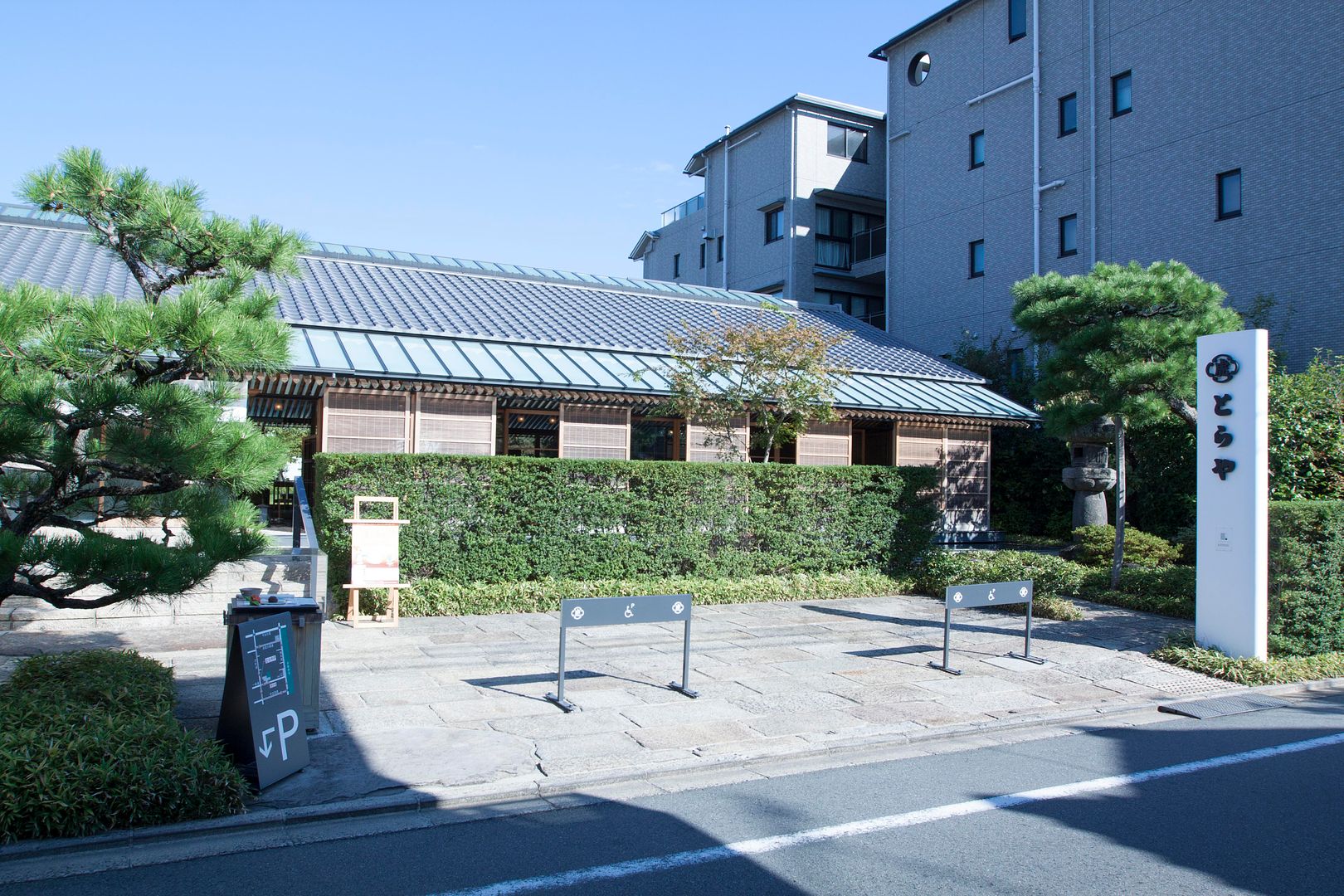
On a weekday morning, I walked pass the Kyoto Imperial Palace and found my block of peaceful mind at this tranquil establishment Toraya Ichijo Branch (but my Zen was interrupted with excitement as soon as colorful anmitsu arrived) -
Toraya's English website did a pretty good job explaining some major types of wagashi, common ingredients used, and the art of the five senses. As for this post, let me simply focus on showing how beautiful the Ichijo branch is.
If you're coming from the Imperial Palace, it should be easy to spot a shiny white wall along the street with Toraya's silver logo -
The kanji logo means "tiger." That's the confectionery shop for to-go purchase only. Turn into the alley and the tearoom is just few steps away -
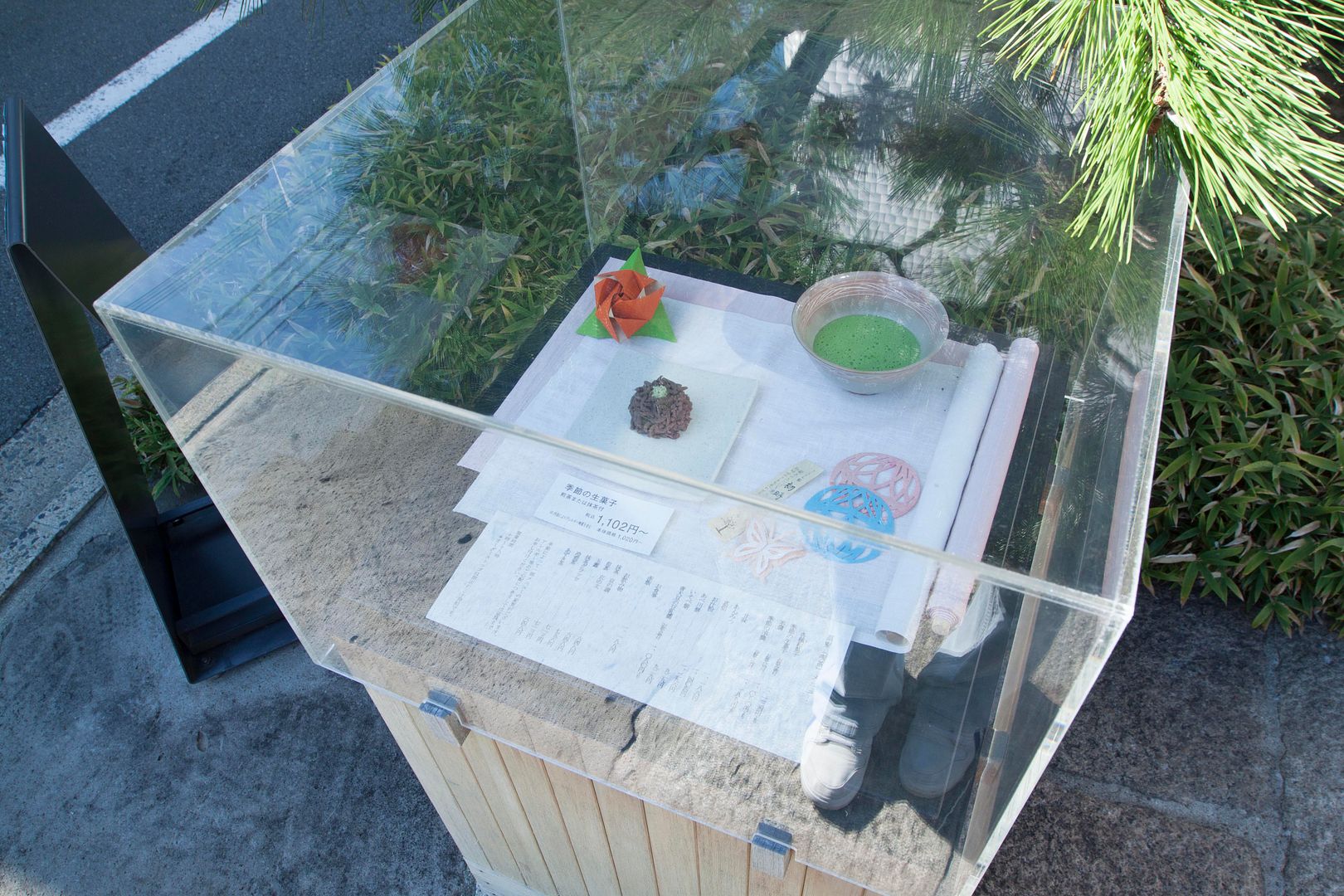
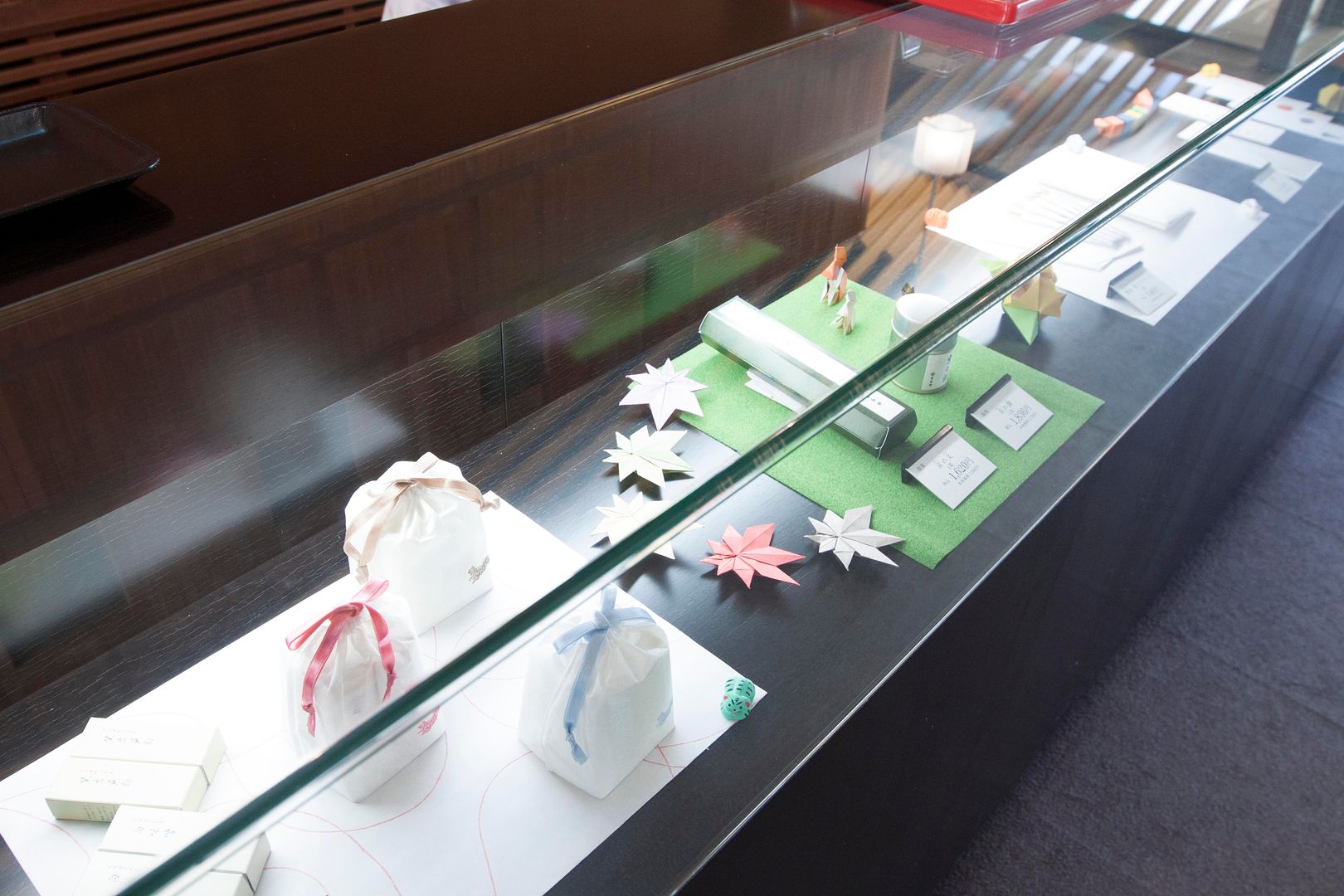
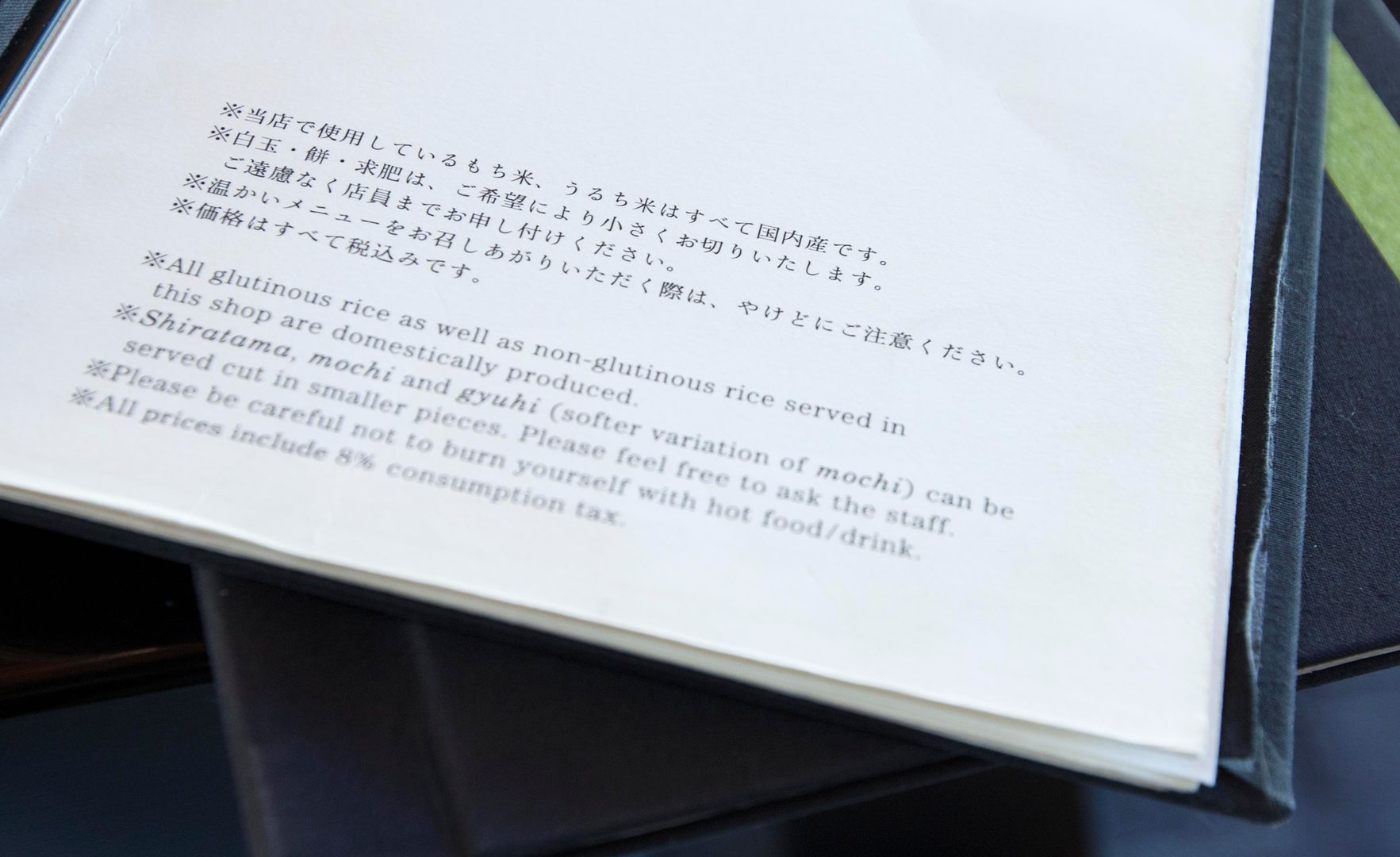
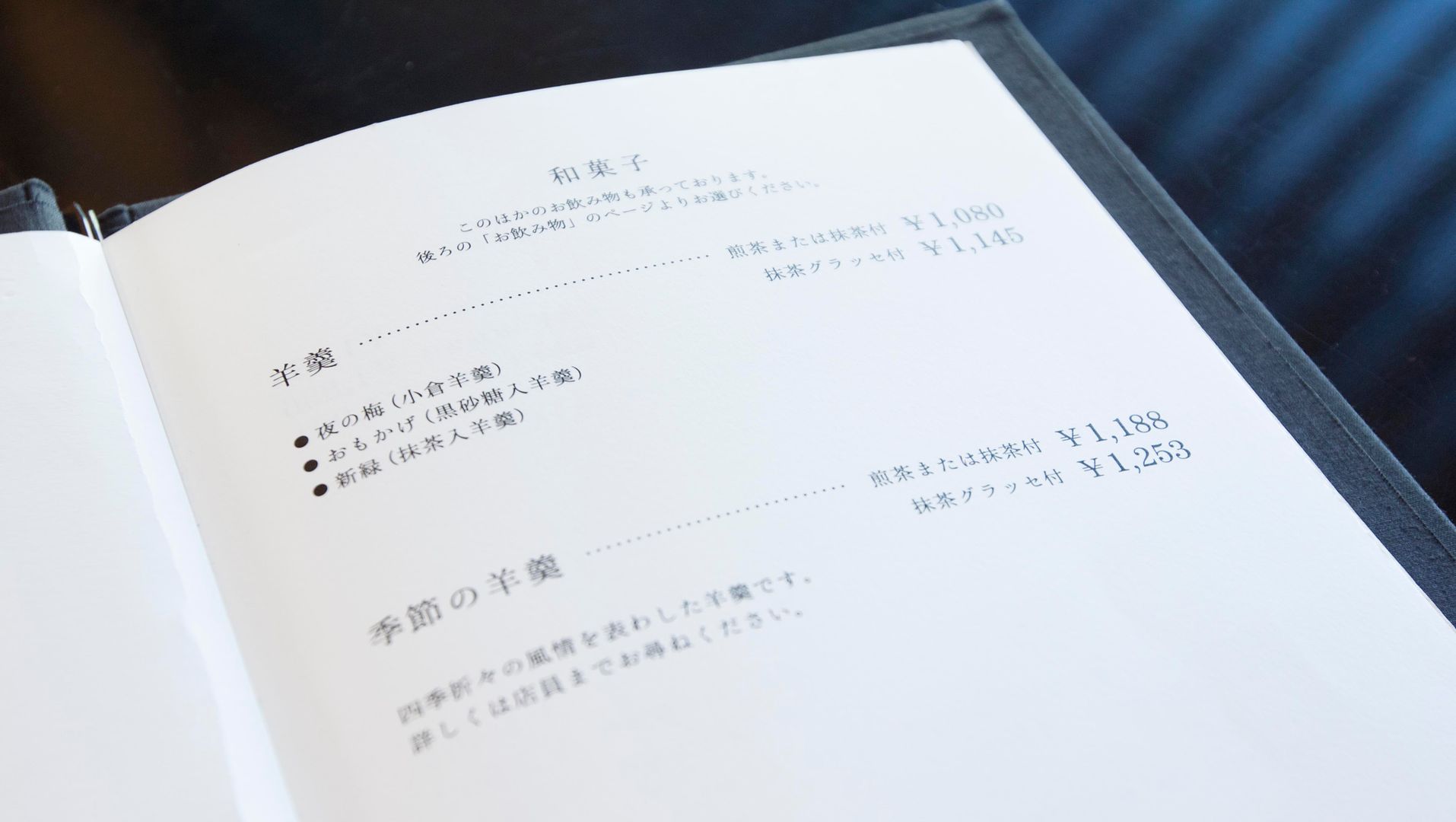
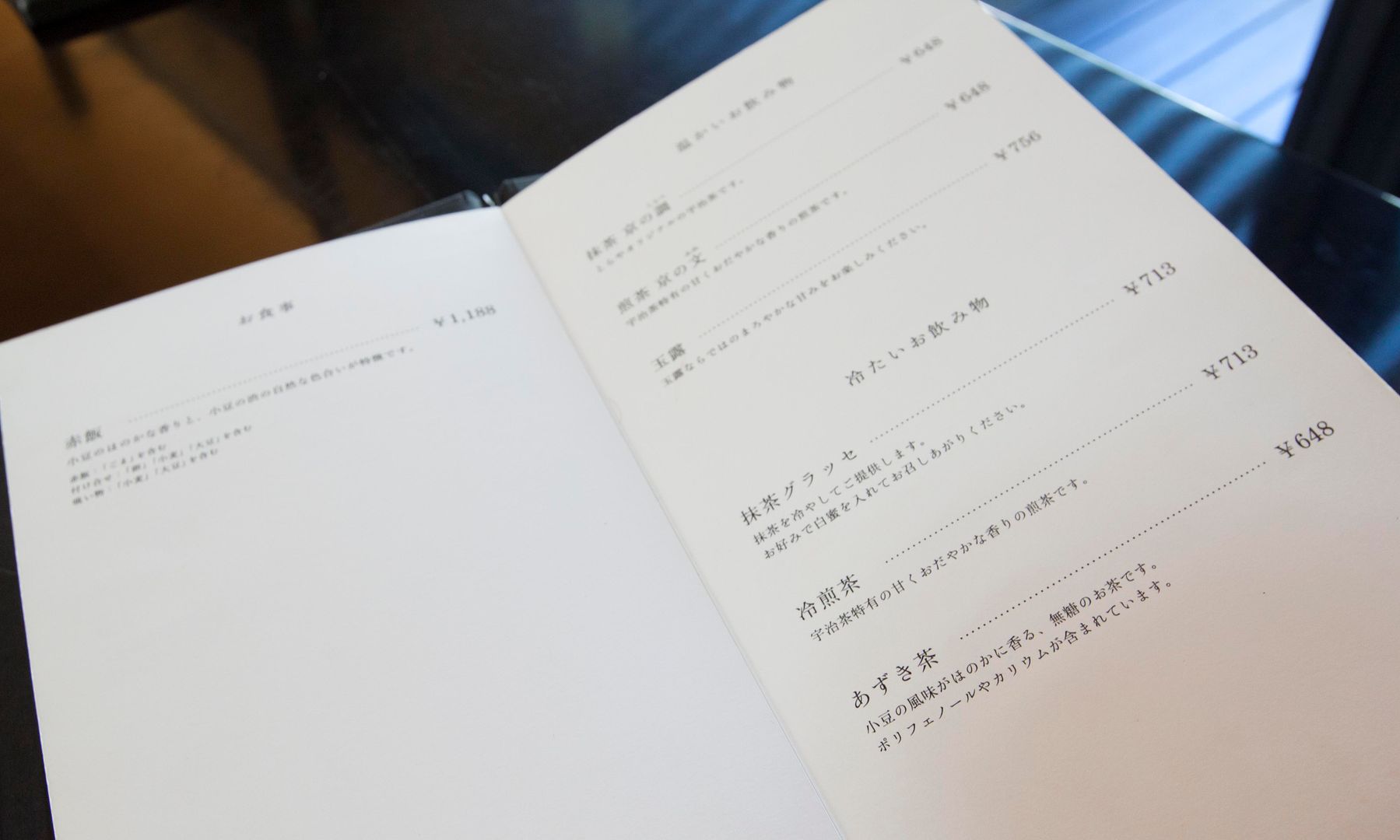
Menu and wagashi sample display -
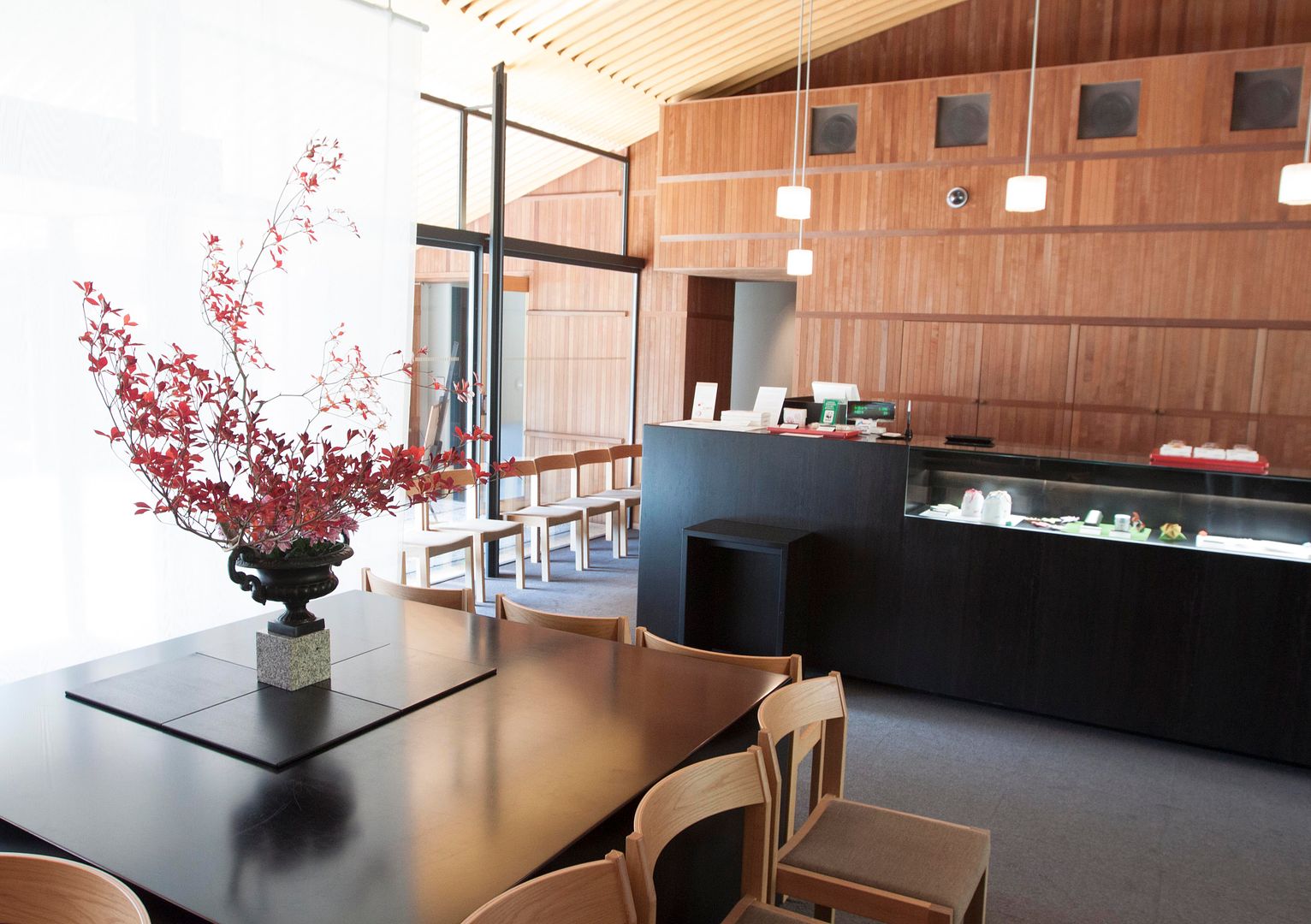
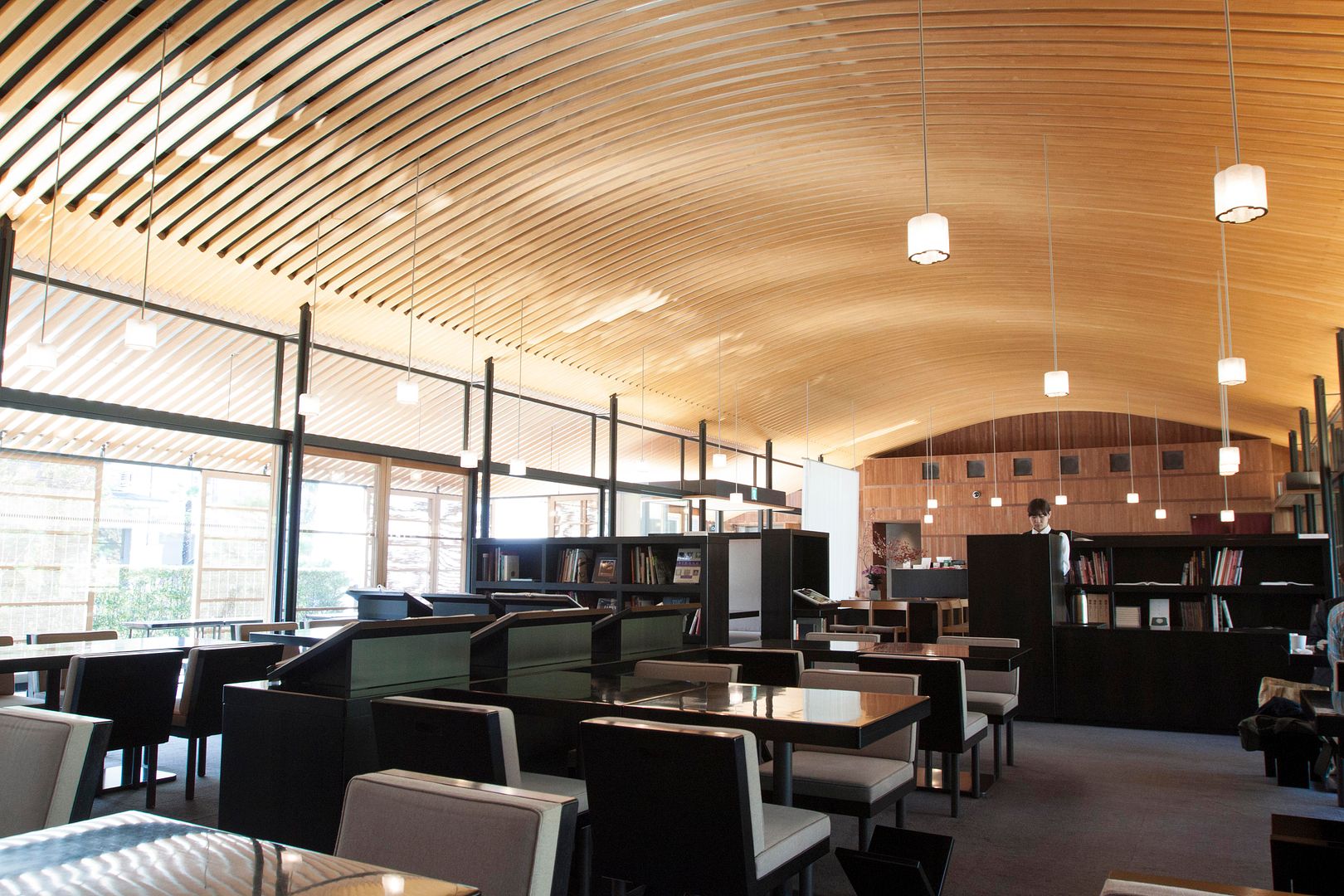
There are many wagashi places throughout Kyoto, however, I was drawn to the vibe of Toraya Ichijo branch. Spacious area based on Japanese traditions and infused with modern touches.
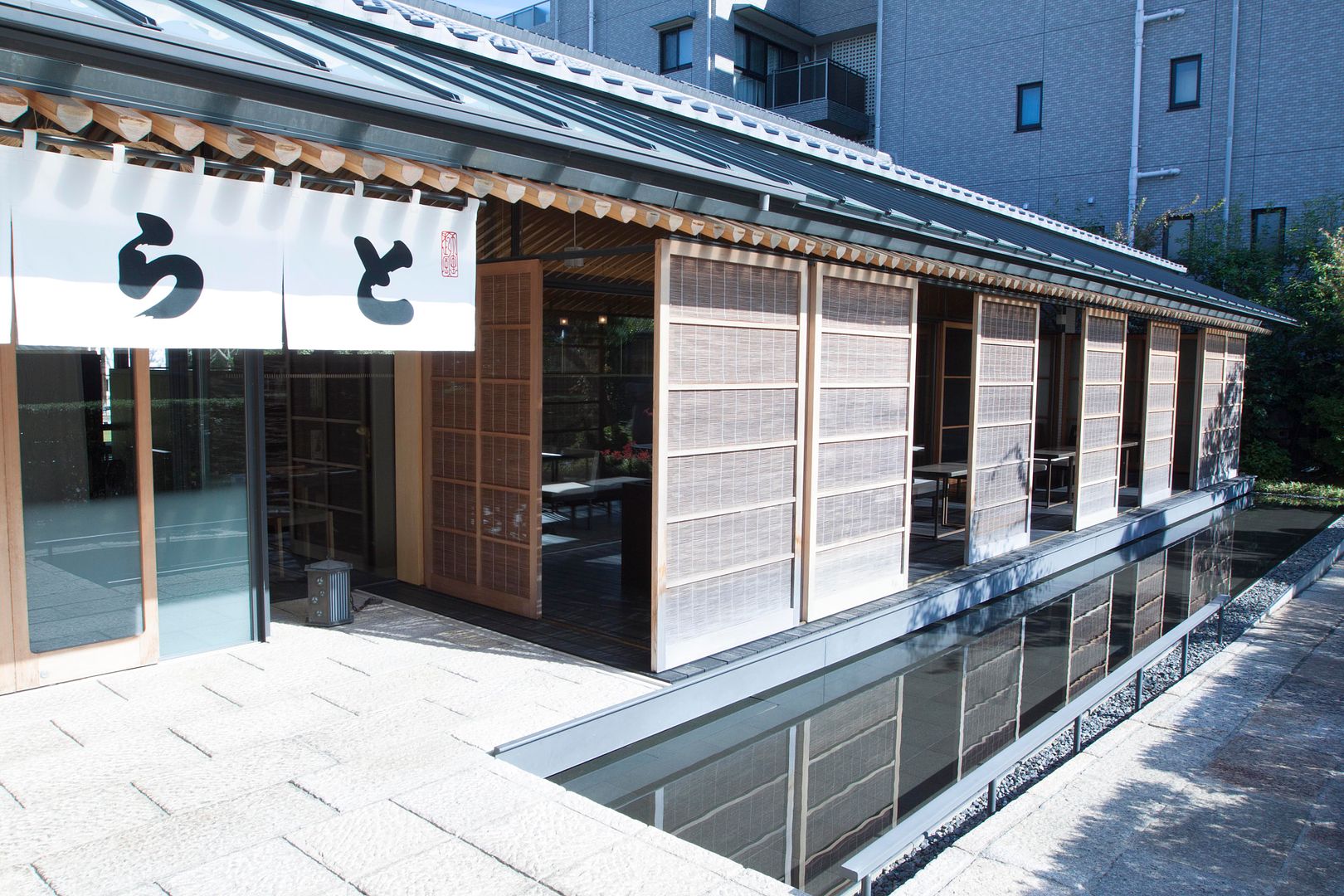
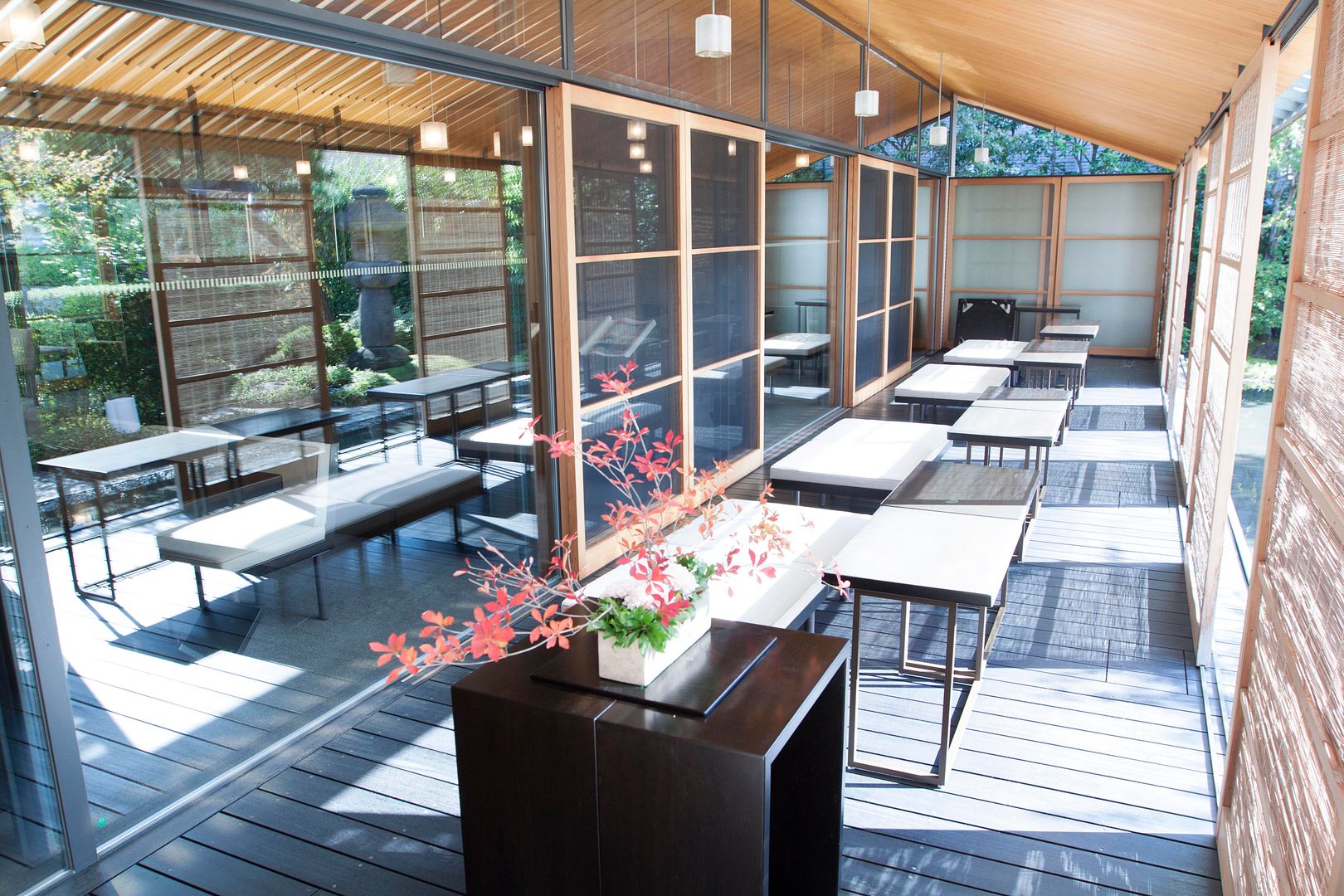
There are two outdoor seating sections, one faces the quite alley with calming water view and the other locates in the opposite side looking over the tidy grass yard -
The sunshine and the tranquil outdoor setting signaled a gentle greeting.
Walking in -
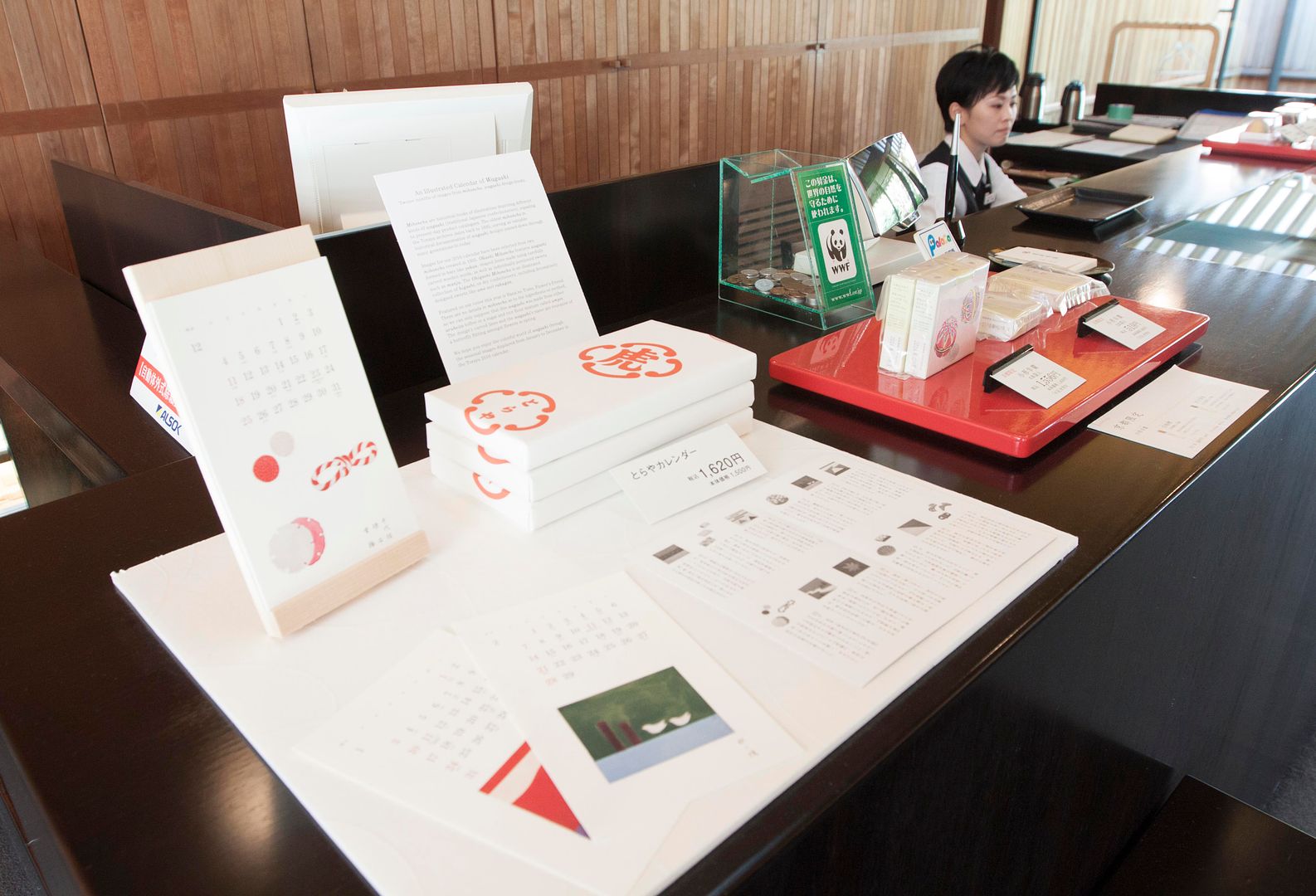
Counter area -
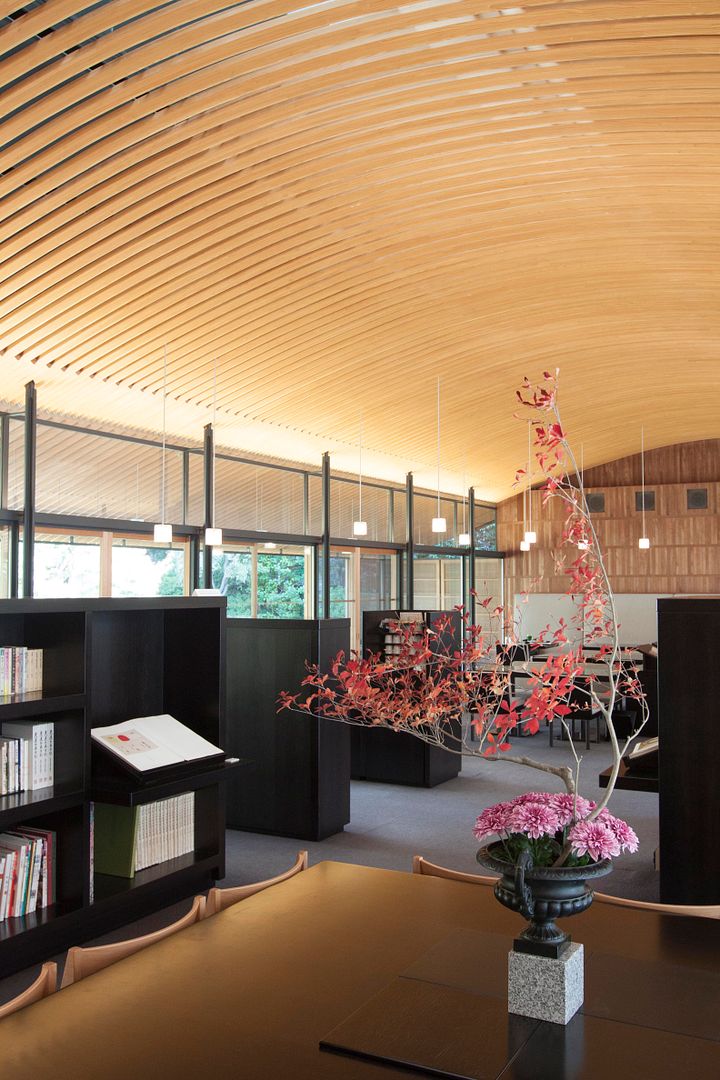
Arched roof -
View from my table. Decided to sat in the way back in order to get a full view of the place -
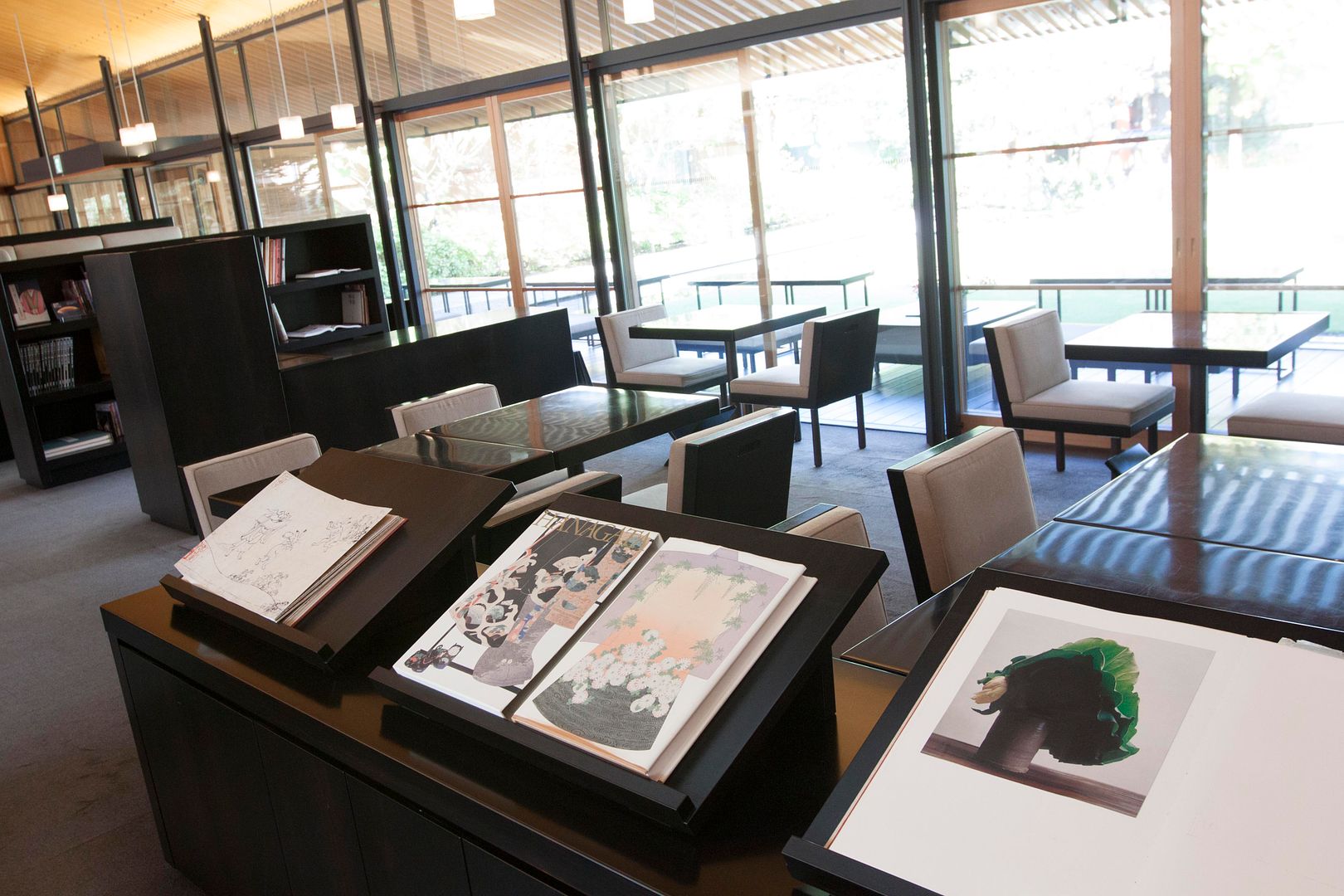
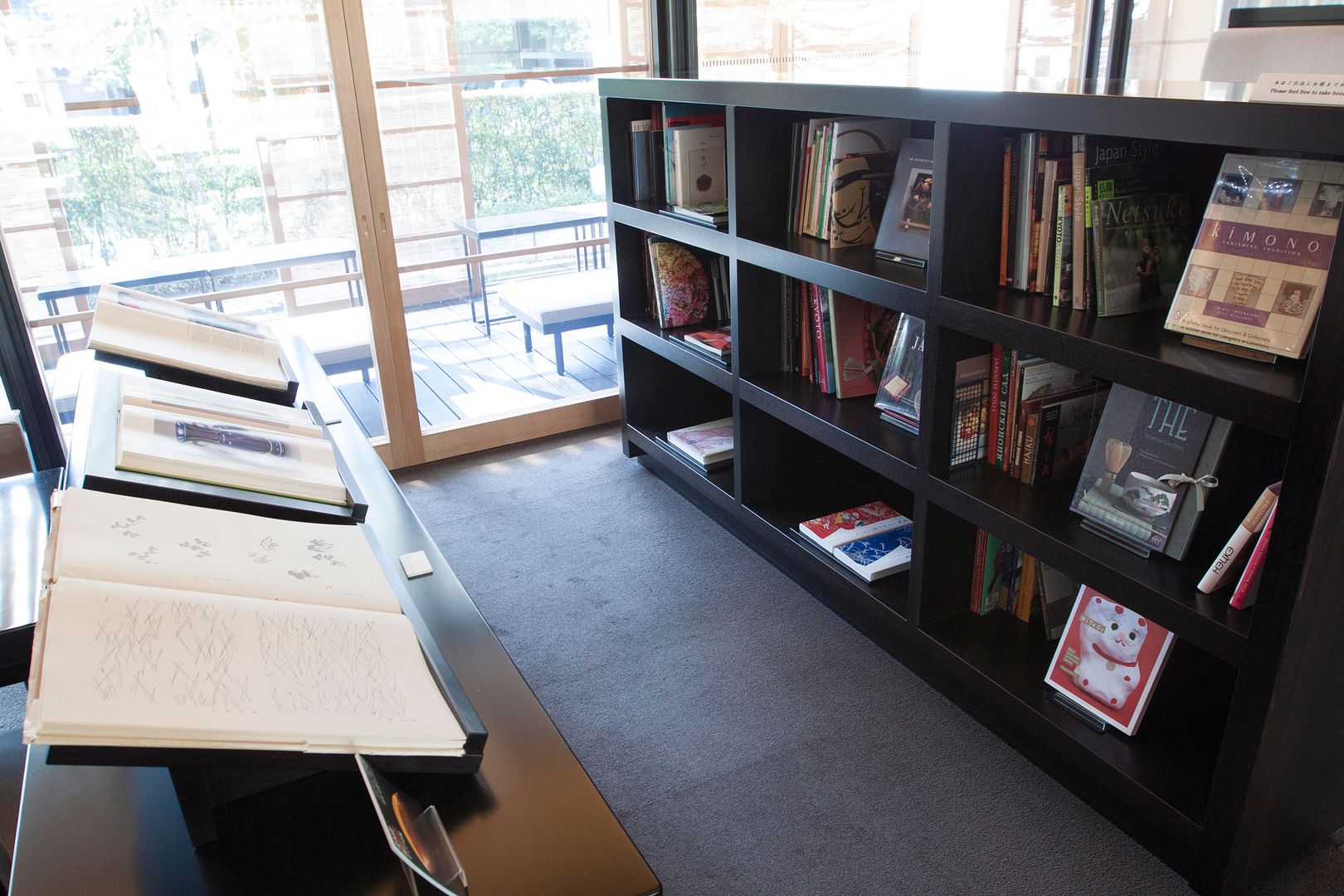
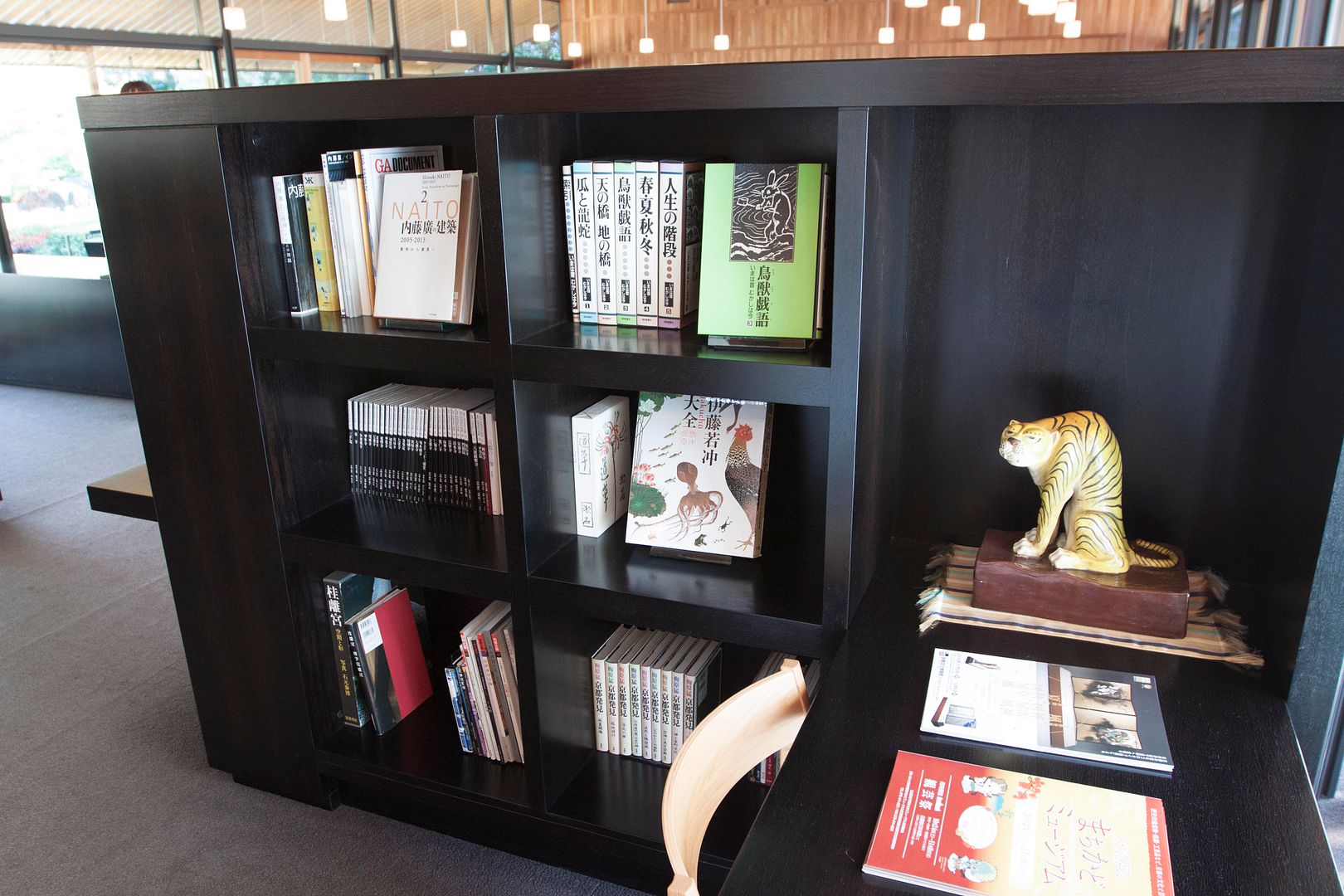
The indoor section somehow gave me a more calming sensation, perhaps from the art works and book selections -
You can bring the books to the table and enjoy some quite reading time along with delicate wagashi.
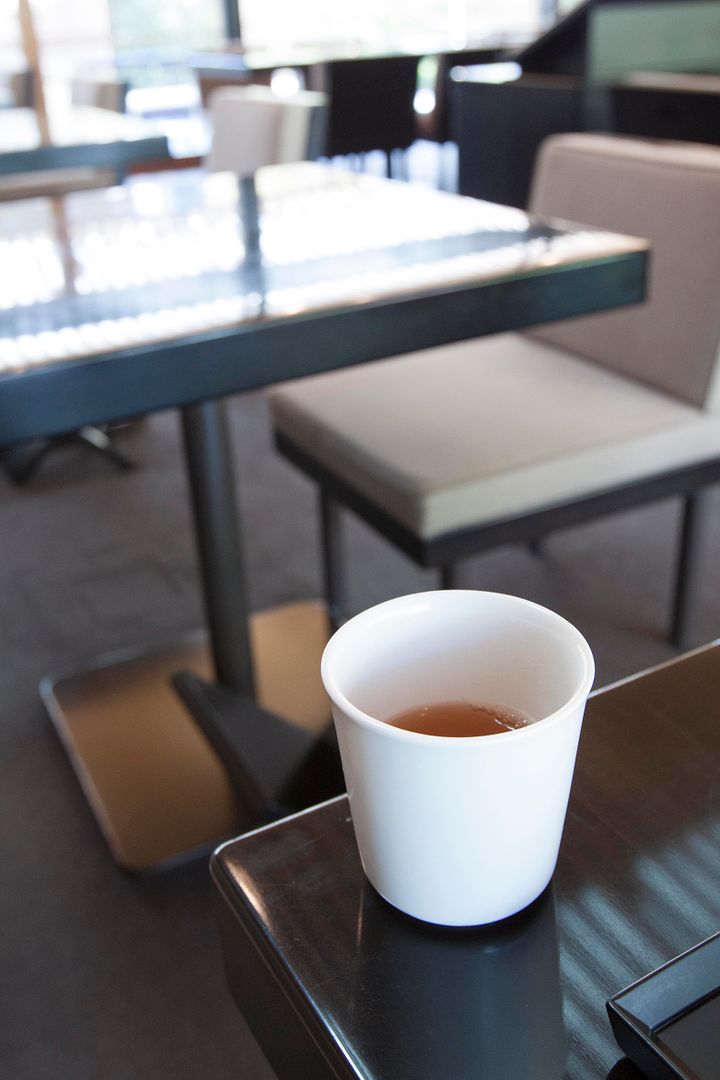
Welcoming hot tea -
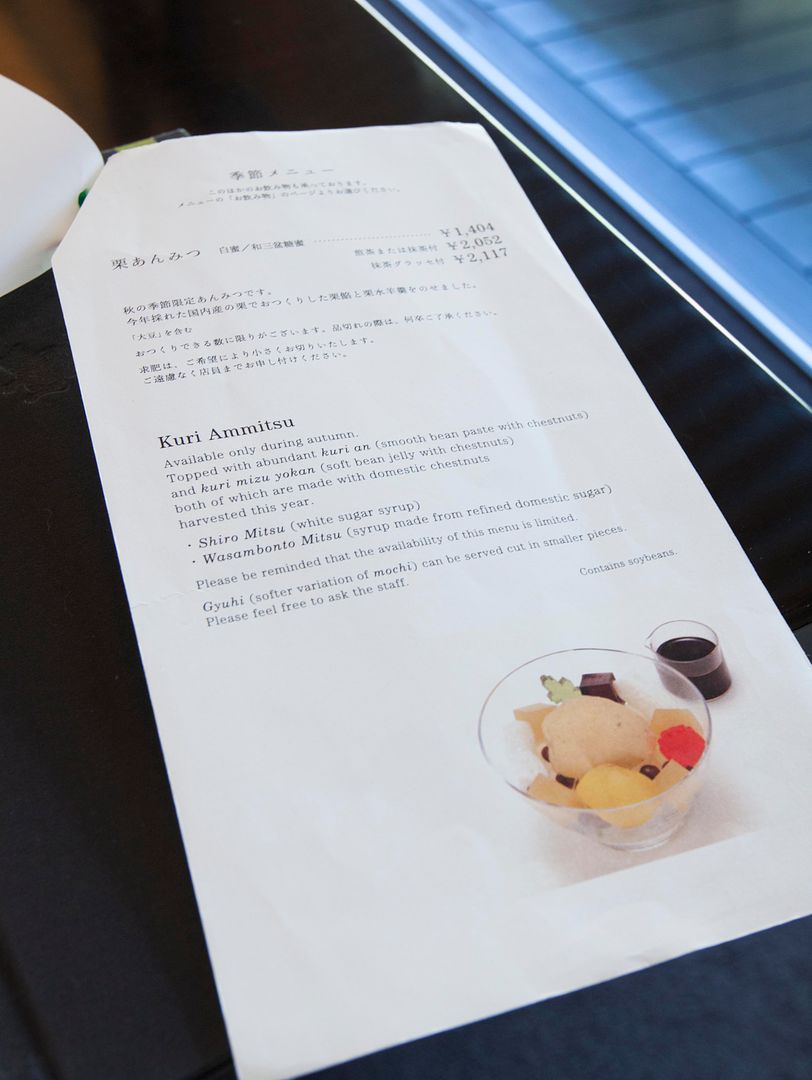
Menu and some cute little seasonal namagashi -
Click on the image for an enlarged view -
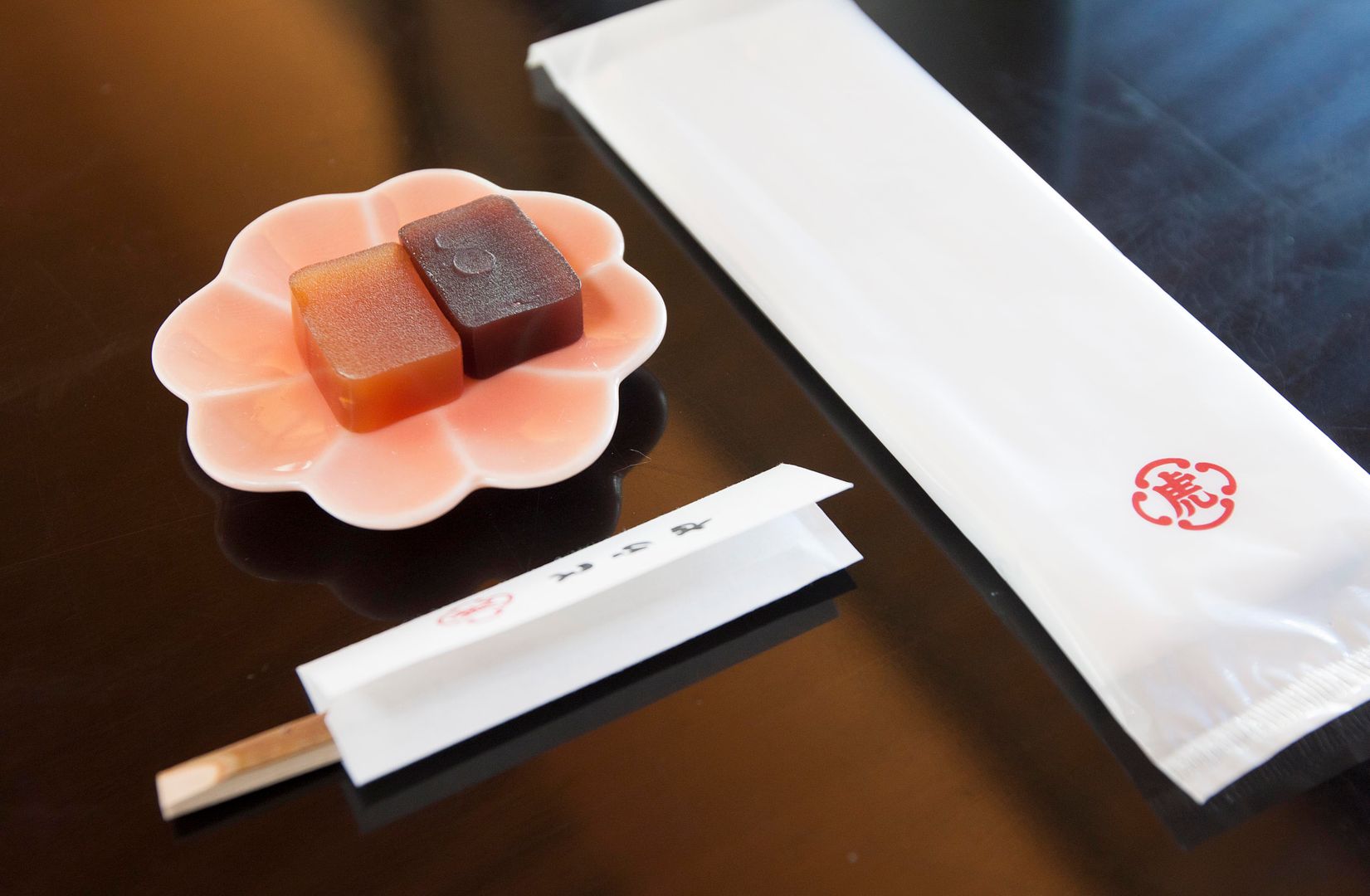
Complimentary yokan -
Japanese citrus and red bean flavors. Based on my past experiences, even though Japanese desserts are usually lighter and not as sweet as western version, but yokan and namagashi are actually pretty sweet. It's better to savor these treats in smaller bites with tea to my opinion.
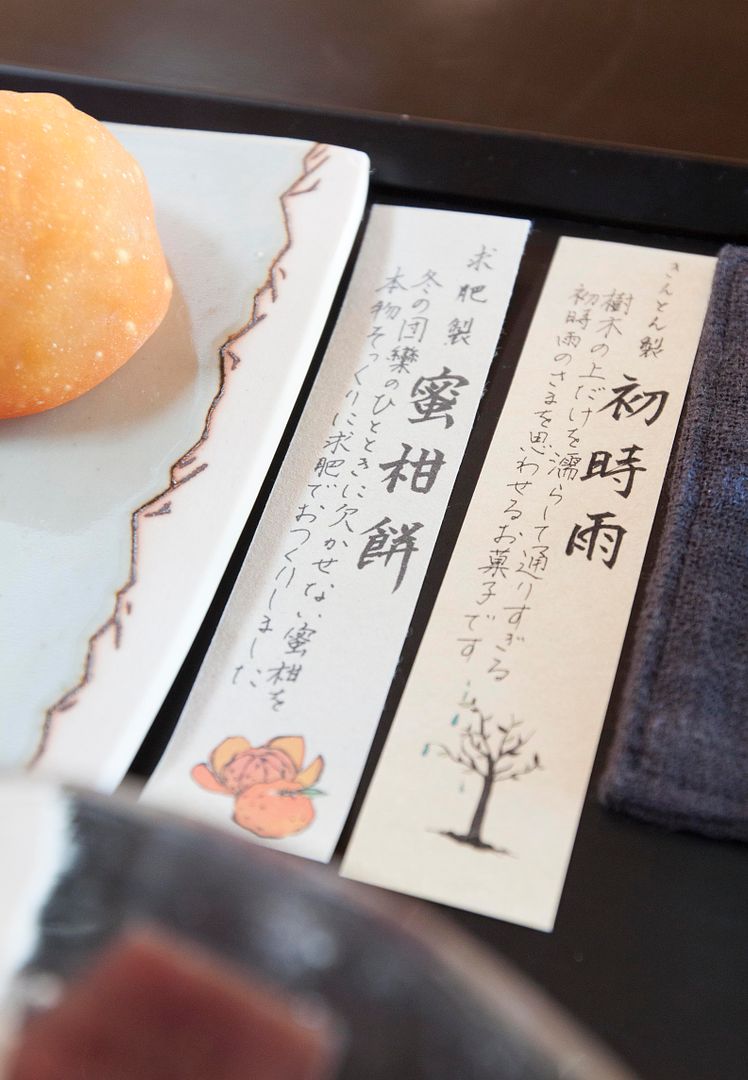
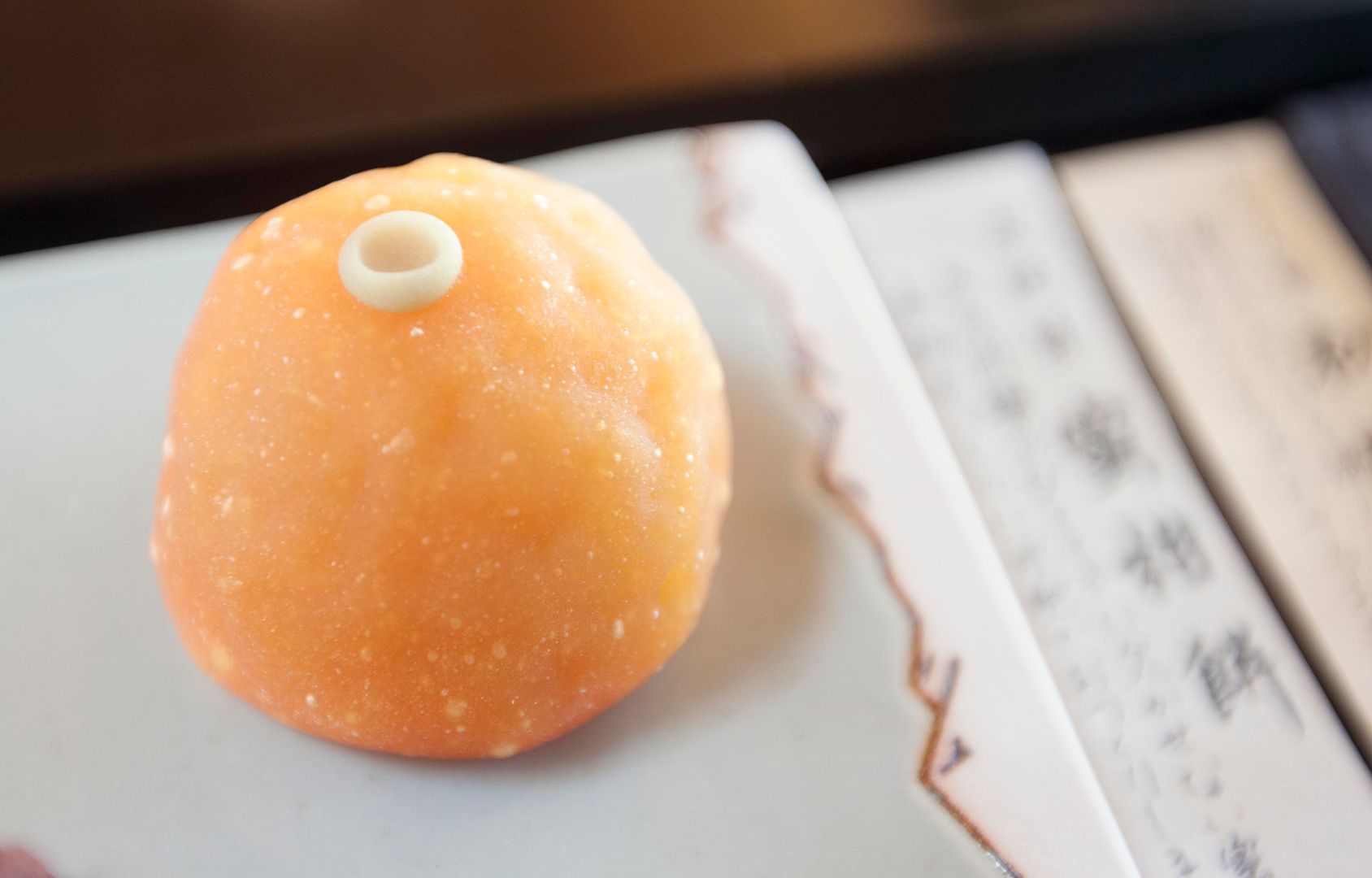
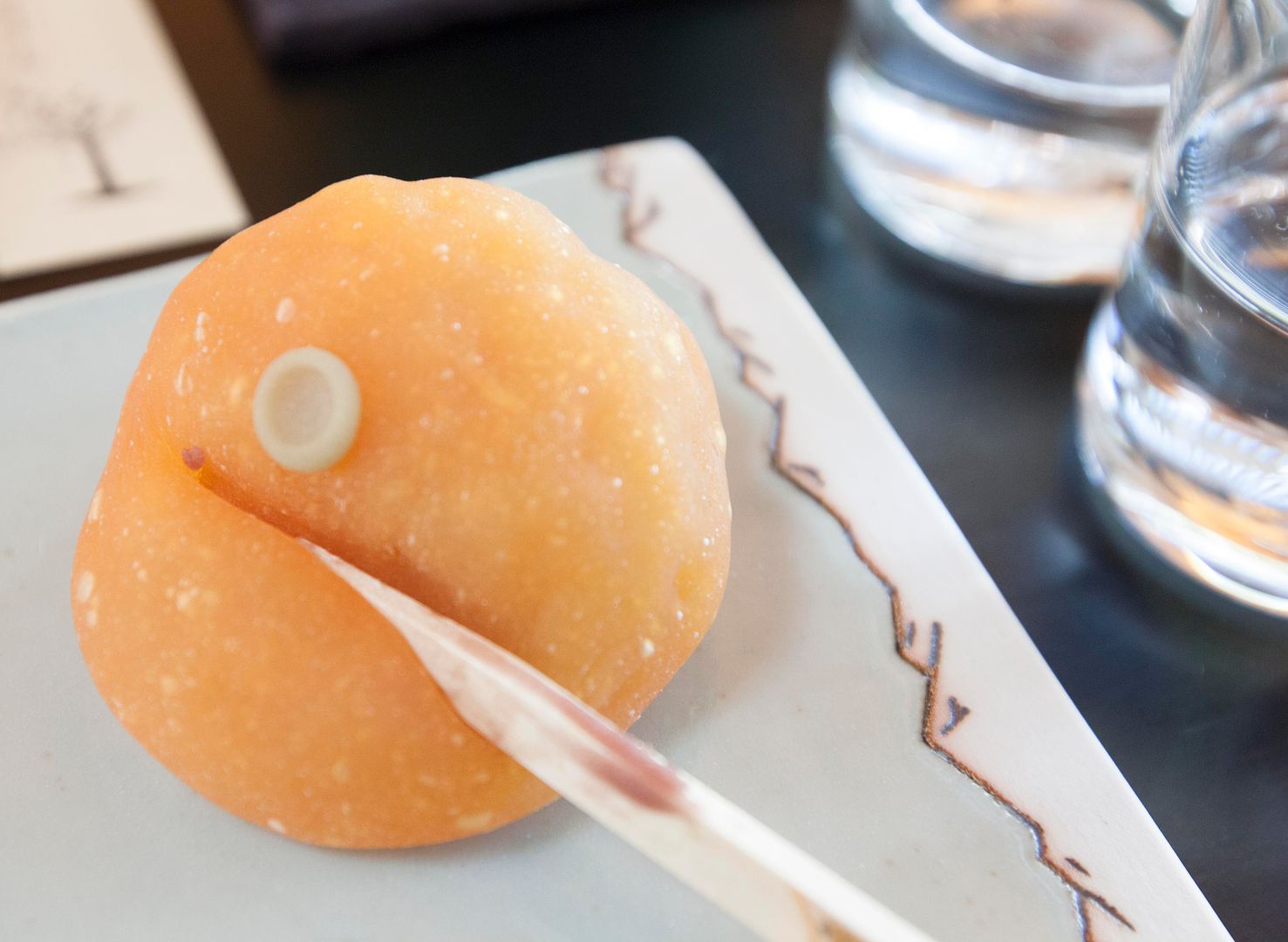
Seasonal namagashi hatsu shigure 初時雨 and mikan mochi 蜜柑餅 -
Namagashi descriptions in Japanese -
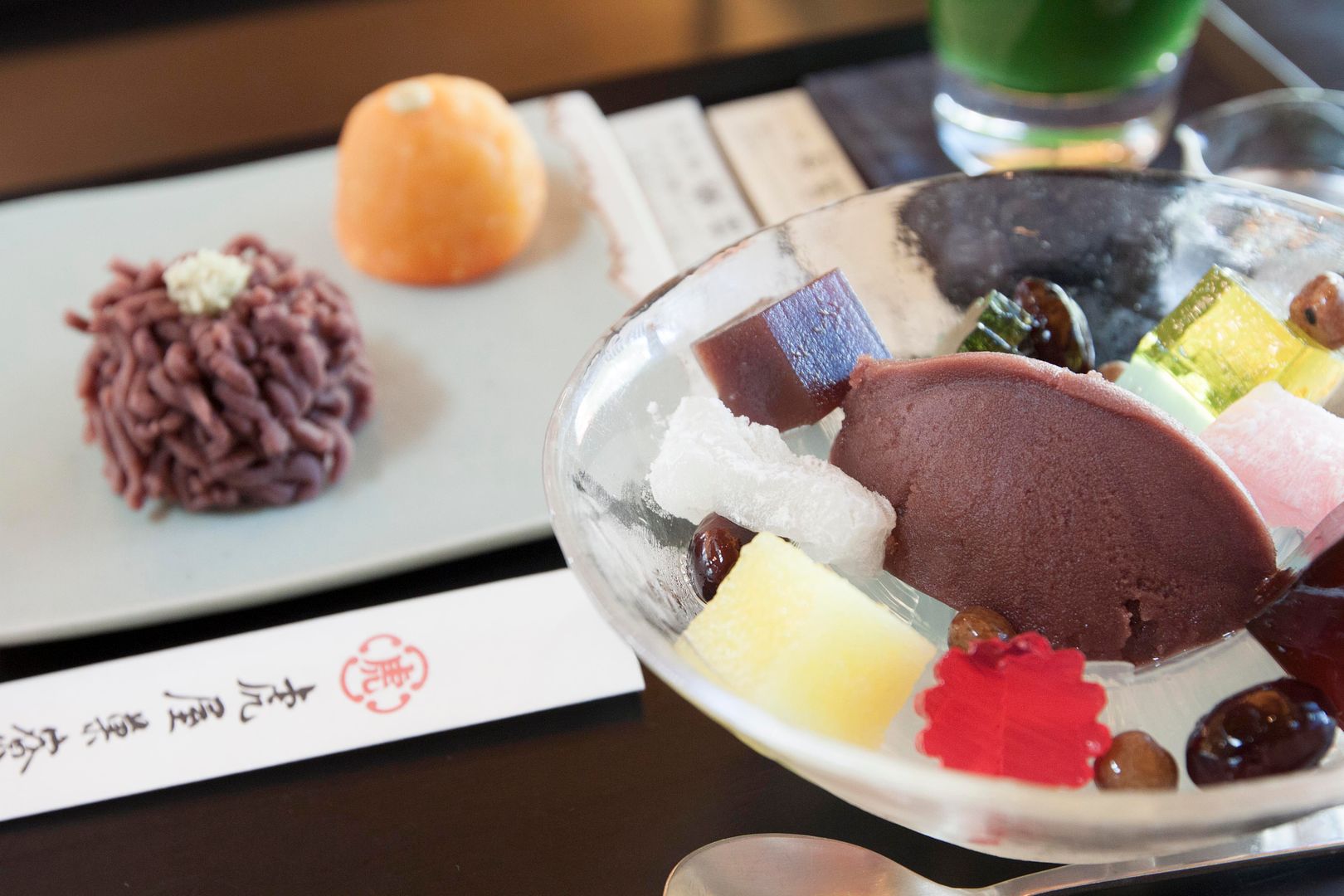
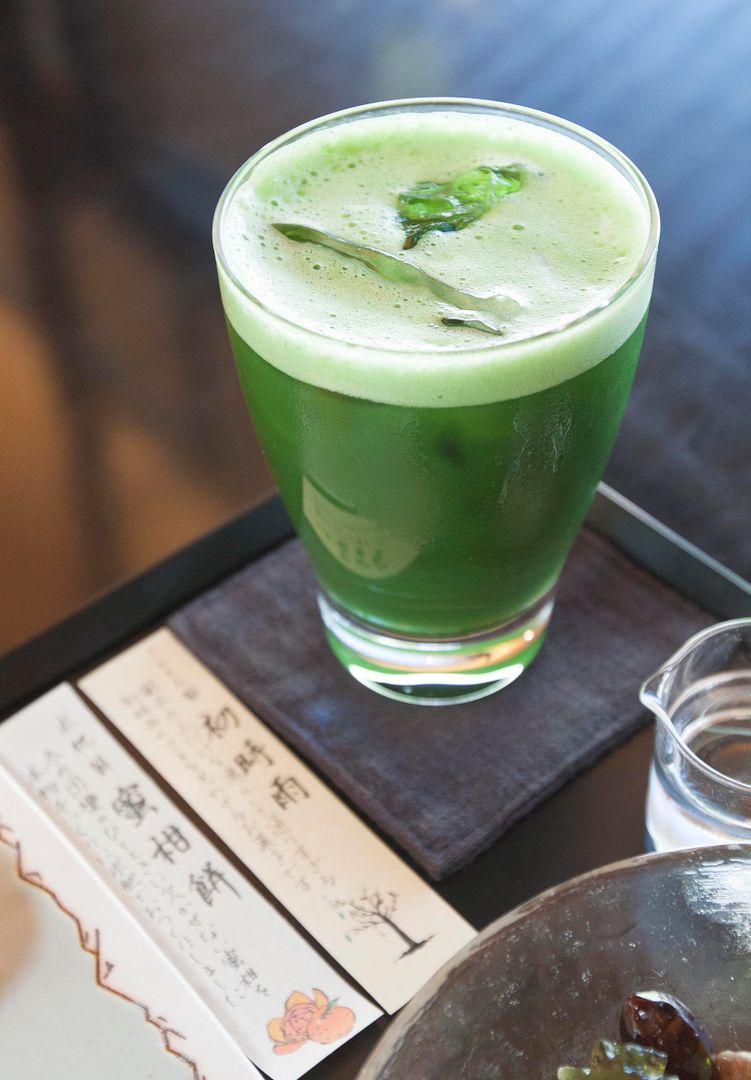
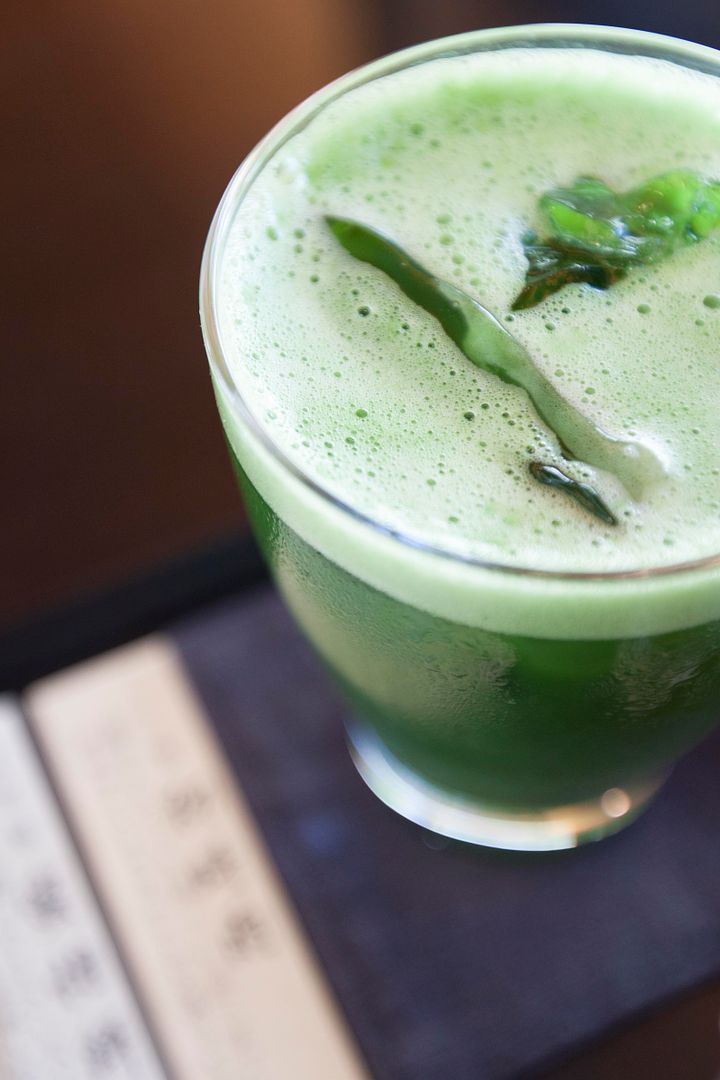
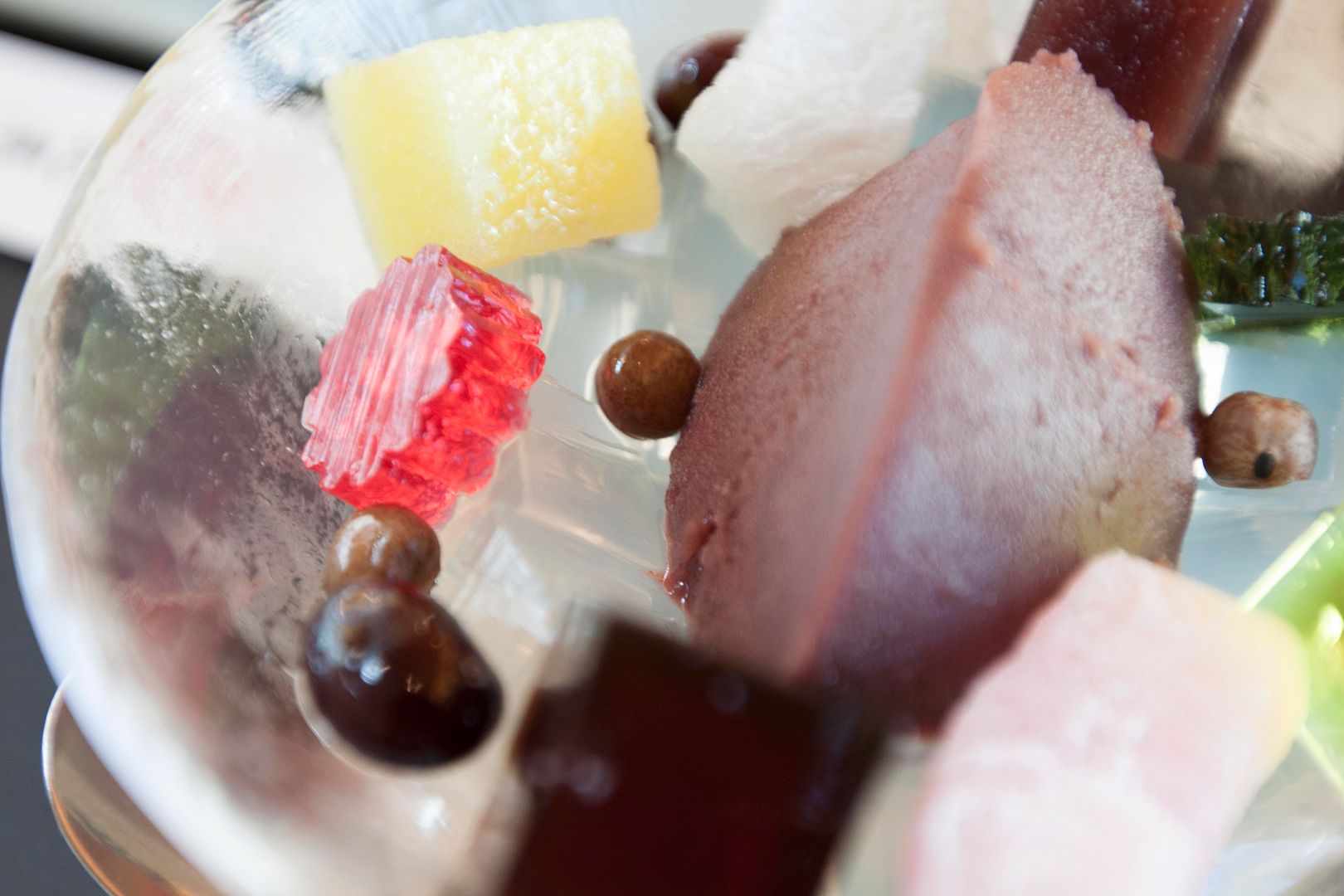
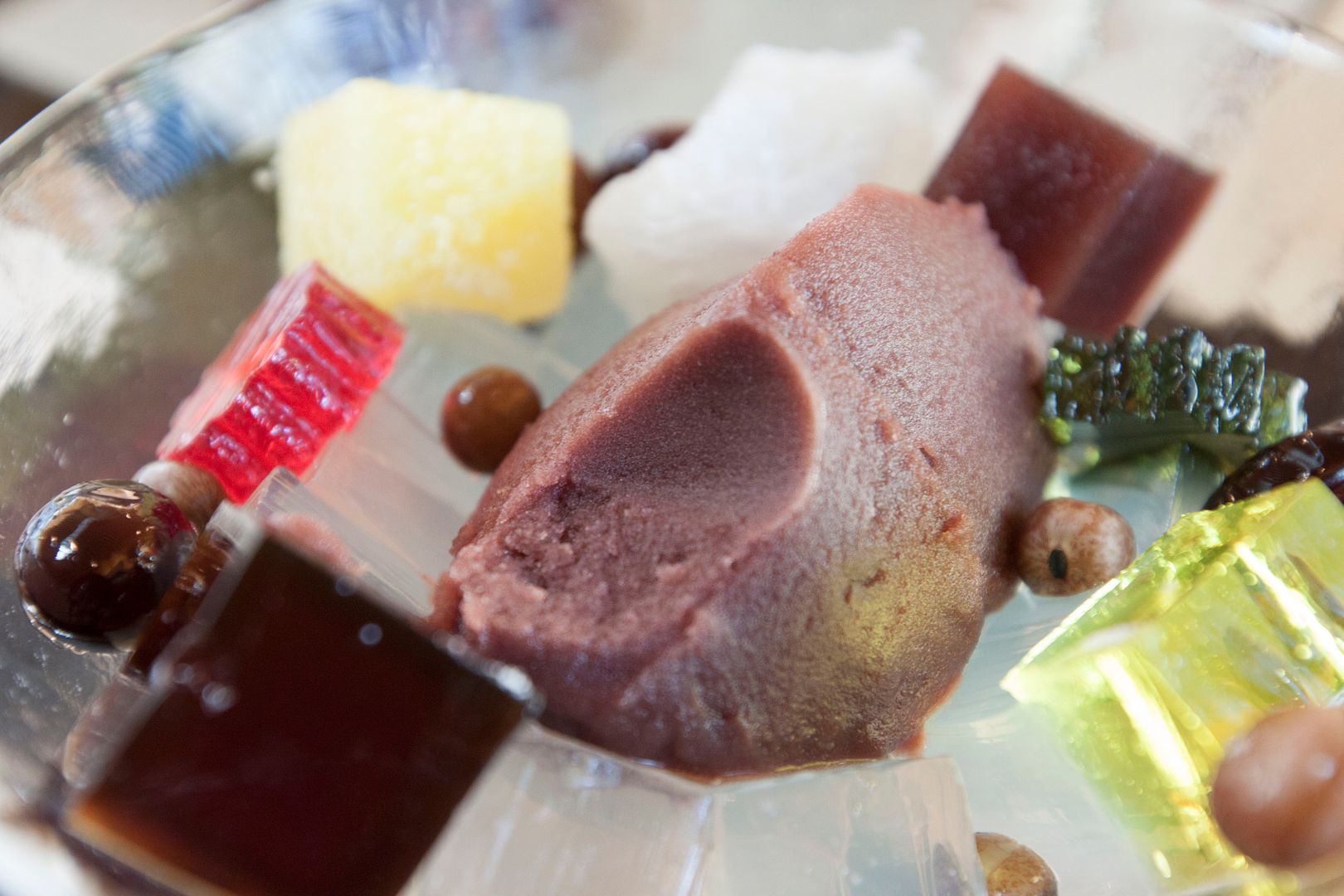
Got a little bit greedy so ordered anmitsu with white syrup and one glass of iced matcha glacé -
Observe closely and you can sense the almost foamy-liked tiny matcha powder, just the right amount of tea aroma to balance off the sweet treats -
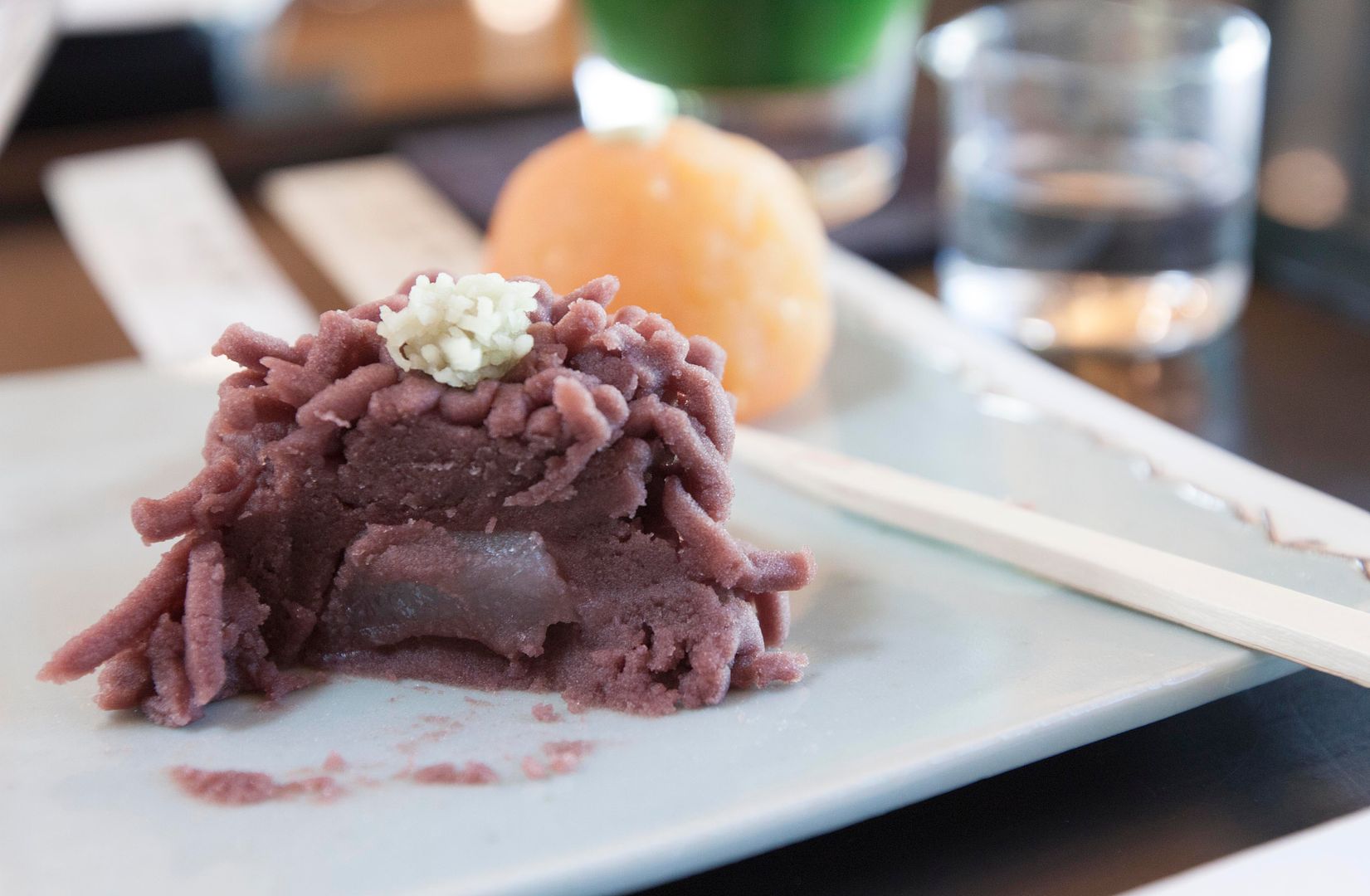
Mochi inside hatsu shigure -
Too cute to be eaten -
Mikan one has a more elastic texture compared to the paste-like hatsu shigure -
Not easy to cut through the surface but was surprised how soft it was when biting into the namagashi. The texture also bounded seamlessly with the mochi inside. Both layers blended well in the mouth without falling apart into two independent components.
The red bean paste was very delicate. The texture reminds me of Joël Robuchon's signature mashed potato. The anko was dense and fulfilling -
The red bean/azuki paste was on the sweeter side but all other components only carried a gentle touch of sugar. Not necessary in need of white sugar syrup if enjoying some bites with azuki paste.
Mochi was actually pretty good with just the right amount of chewiness to add more fun to the anmitsu. You can also taste one thin layer of powered sugar lightly settling on the surface of small mochi.
Friendly and not overly interrupting service here at Toraya Ichijo branch. I came soon after it opens to enjoy some quite alone time before my big lunch around the area. Whether if you're a sweet treat person or not, don't miss the chance of trying some wagashi. For wagashi newbies, maybe start with finding a prestigious brand and go to its flagship location or the original store to get a full experience of such fine Japanese delicacies.
Cindy's rating: 7
Toraya Ichijo Branch 虎屋菓寮
Karasuma-Nishi-iru, Ichijo-dori
Kamigyo-ku, Kyoto
京都府京都市上京区一条通烏丸西入広橋殿町400
+81-75-441-3113
Website: https://www.toraya-group.co.jp/english/index.html
Opening hours: 10:00 a.m. - 6:00 p.m.
Recent update: Toraya Ichijo branch will be closed on 2015/12/8, 2016/2/9, 2016/3/8