Winter melon is such a versatile ingredient that can be used in both savory and sweet recipes. In Taiwan, winter melon can also be preserved using fermented rice and other seasonings such as salt and rice wine.
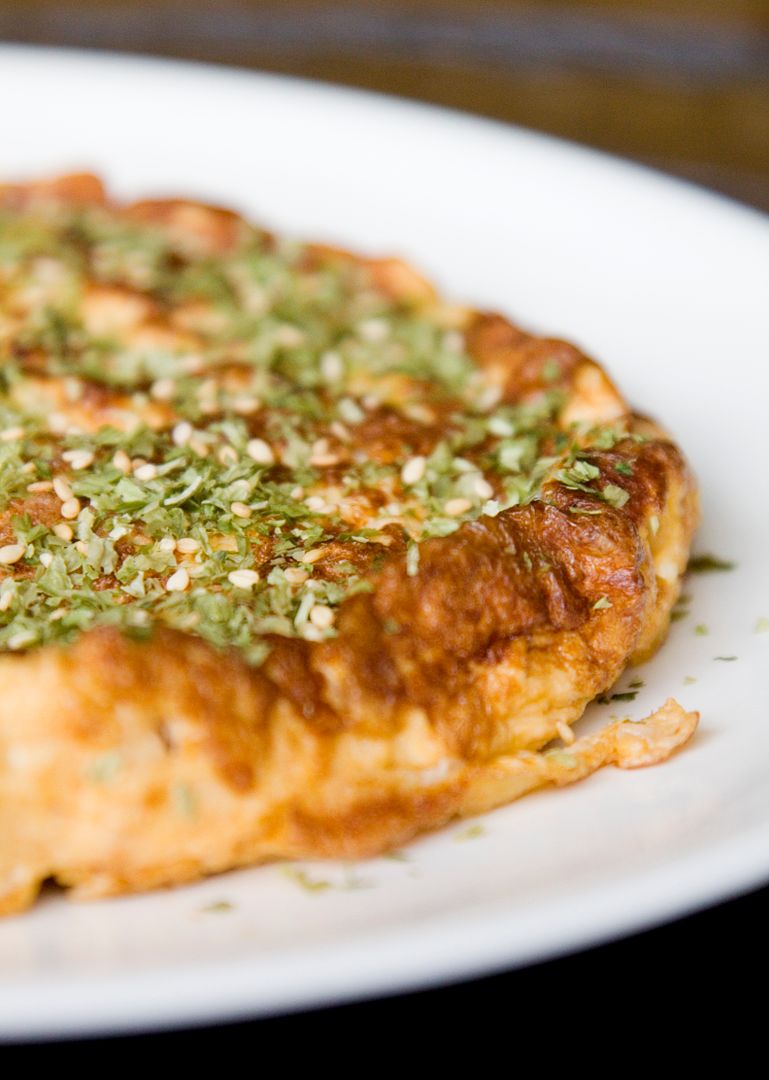
Usually people use pickled winter melon in ground pork or steam fish recipes. I'll share my mom's stewed pork balls with pickled winter melon when she makes it. As for now, let's try my recipe for omelet with Taiwanese style pickled winter melon -
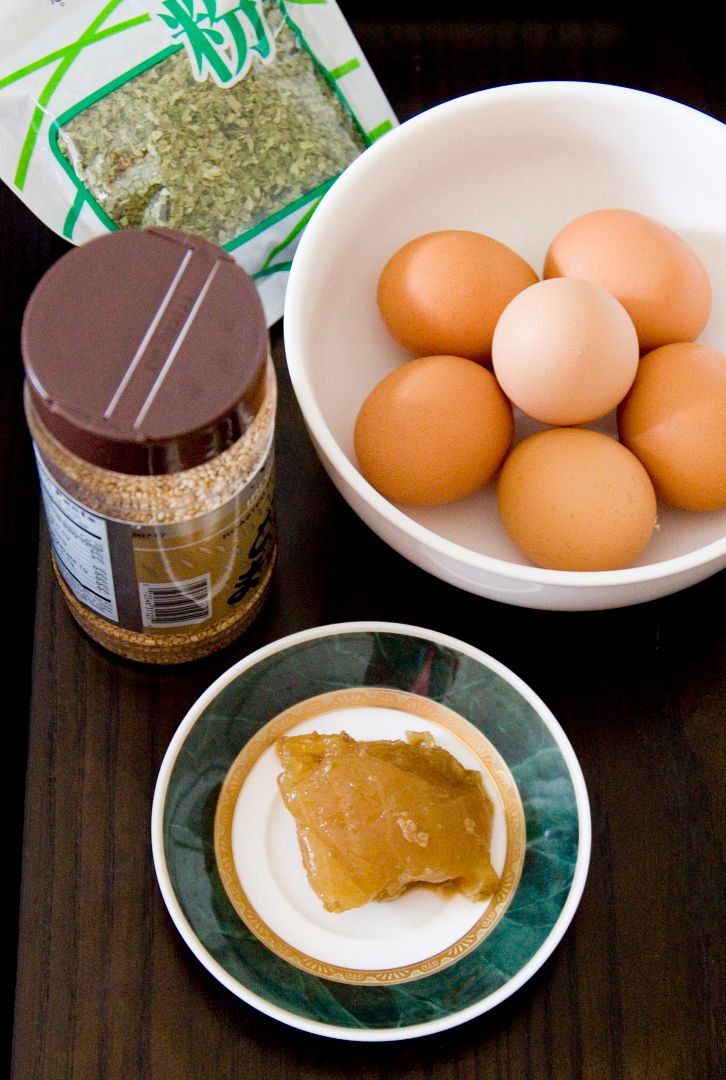
Ingredients?
6 eggs
2 tablespoons of pickled winter melon
2 tablespoons of olive oil
1 tablespoon of water
1 teaspoon of soy sauce
Some dried seaweed flakes
Some toasted white sesame seeds
Some Sriracha sauce
How?
Gently rinse the pickled winter melon to remove any small rice bits and dilute the saltiness a little bit. Dry well and finely chop the melon till it looks almost like a paste.
Break 6 eggs. Add the pickled winter melon, soy sauce, and water. Beat well, about one minute.
Take a medium sized and round shaped pan. Drizzle about 2 tablespoons of olive oil to the pan and turn to medium high heat. Evenly coat the bottom of the pan with oil and pour in the egg mixture.
Slowly stir the center to let the mixture cook evenly. Use a spatula to gently separate the edges of the eggs away from the pan once a while. Stop stirring the center after about 10 seconds, or till you feel the eggs start to firm up. Just leave the mixture and wait till the bottom gets a nice brown color, should be around 1 to 2 minutes.
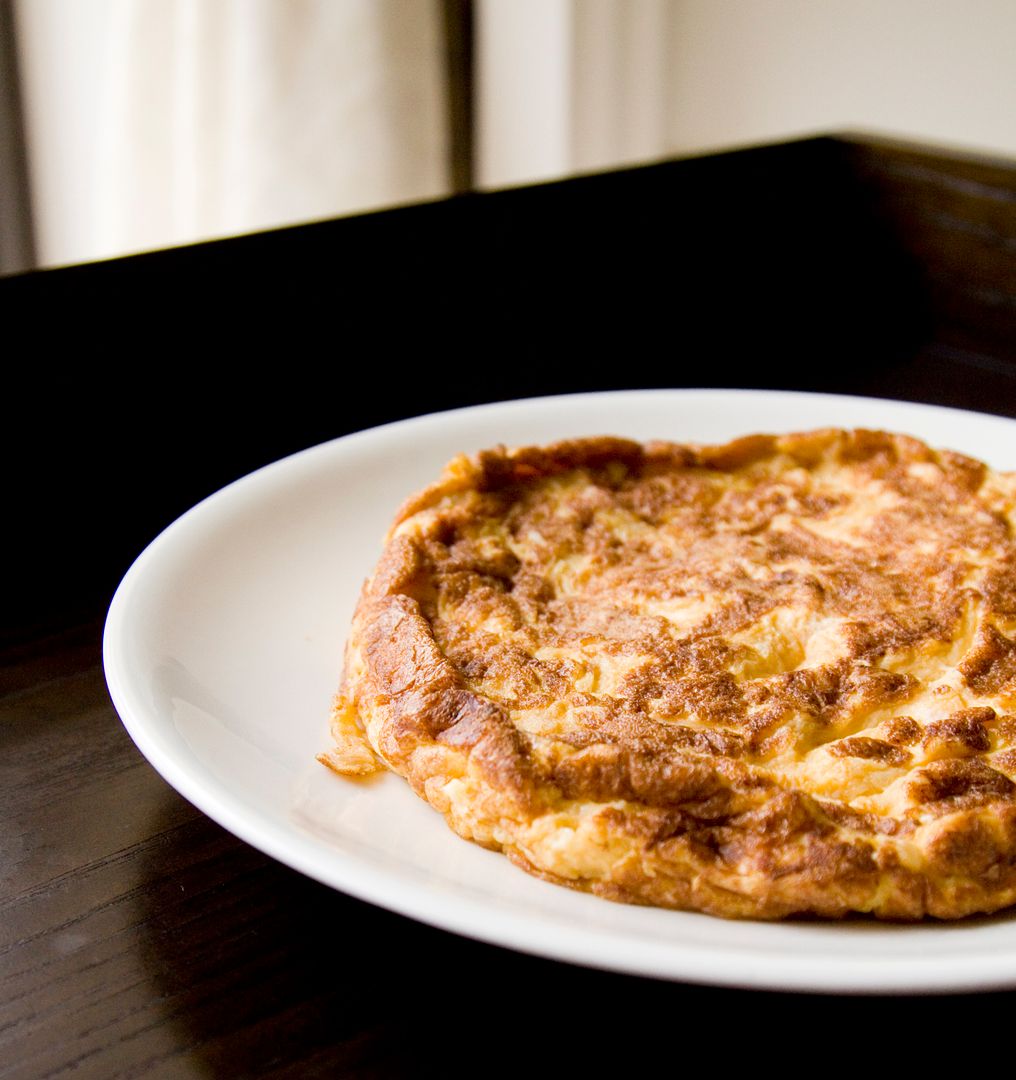
Carefully flip the eggs. You can turn the whole pan onto a big round plate so the eggs fall onto the plate perfectly without breaking apart. Carefully push the round shaped eggs back to the pan to cook the other side till brownish color.
Once one, turn the whole pan onto a big plate again.
Sprinkle some dried seaweed flakes and toasted white sesame seeds all over the top. Serve with Sriracha sauce.
You can also chop up some scallion and add to the egg mixture. In that case, omit the dried seaweed flakes and use only the sesame seeds as garnish. I suppose some chopped cilantro will also be a good flavor kick for this recipe.
There are usually small stands scattering near the mountain roads selling freshly picked vegetables in Taiwan. Those are usually the elderly locals who grow the greens and root vegetables around the area. What they do is that they'll put up a stand somewhere close to a scenery spot, along the road where visitors often drive by.
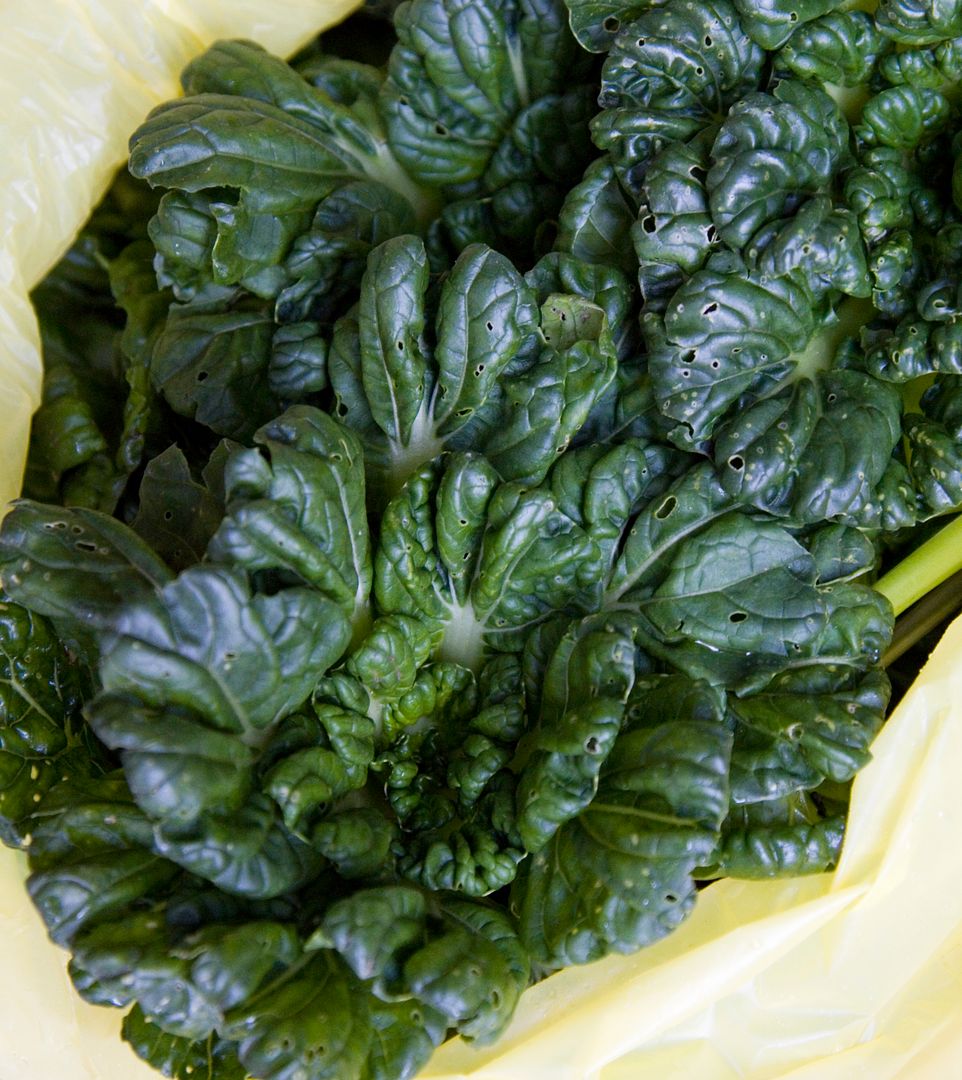
One day me and my parents drove passed a main road to the famous Yangming Mountain and saw this stand selling fresh produce. This green bundle caught my eye. What is it? I have never seen anything like this. It's like a flower bouquet but in green color.
Less than $2 U.S, I brought it home. The vendor told me it's called "Ta Gu" or 塔菇 in Chinese. Ta carries meanings of tart or tower, and Gu simply means mushroom. After some research online, I learned that it's a type of vegetable commonly used in Shanghai, China. Haven't known the taste of it, I've decided to simply blanch the green and serve with some refreshing citrus dressing.
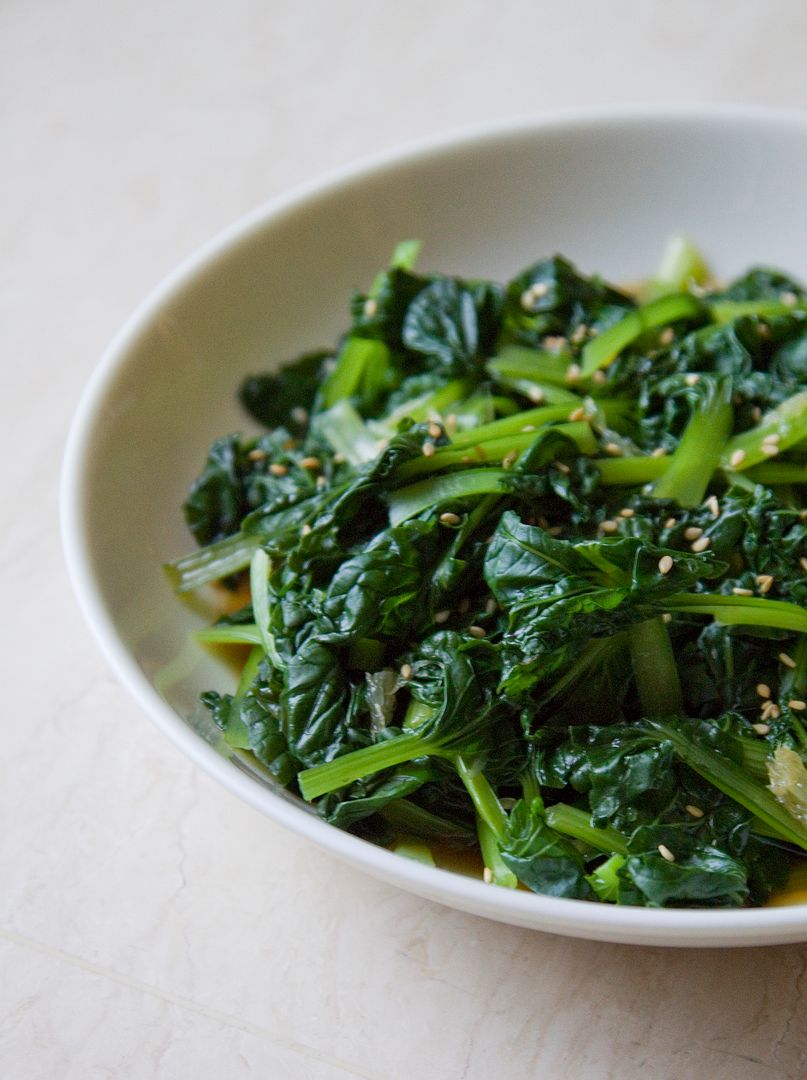
Blanched Ta Gu veggie with citrus soy dressing -
Ingredients?
1 bundle of Ta Gu veggie
1 tangerine
Some katsuo flavored soy sauce (or dashi)
Some toasted white sesame seeds
How?
This recipe is fairly simple. I omitted the use of any heavy tasting seasonings such as chili paste, black pepper, even olive oil in order to get a light and refreshing side dish.
Cut off the very bottom stems from the vegetable. Thoroughly wash every leaves and soak in water for 10 to 15 minutes. I actually soaked it twice in case there are any pesticide residuals.
The Ta Gu veggie looks somewhat similar to tiny bak choy when the center stem has been removed. It actually tastes quite like bak choy, but slightly stronger with its grassy scent.
Press and roll the tangerine to help releasing the juice. Cut the tangerine in half and squeeze the juice into a big bowl. Remove the seeds but do keep the pulps. Mix in some katsuo flavored soy sauce or any kind of flavored Japanese soy sauce. Add till desired saltiness as your veggie dressing.
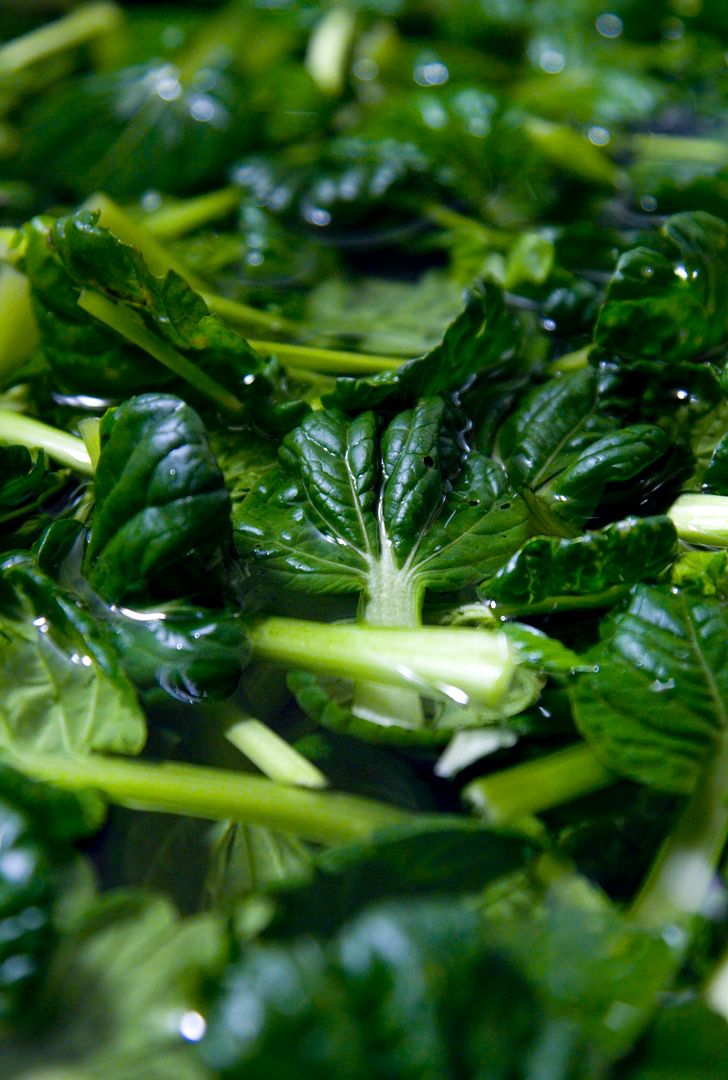
Bring a pot of water to a boil and toss in drained Ta Gu veggie. Cook till wilted a wee bit, should be less than one minute. Remove from the water and quickly transfer to a big bowl full of ice cubes and cold water to stop the cooking process.
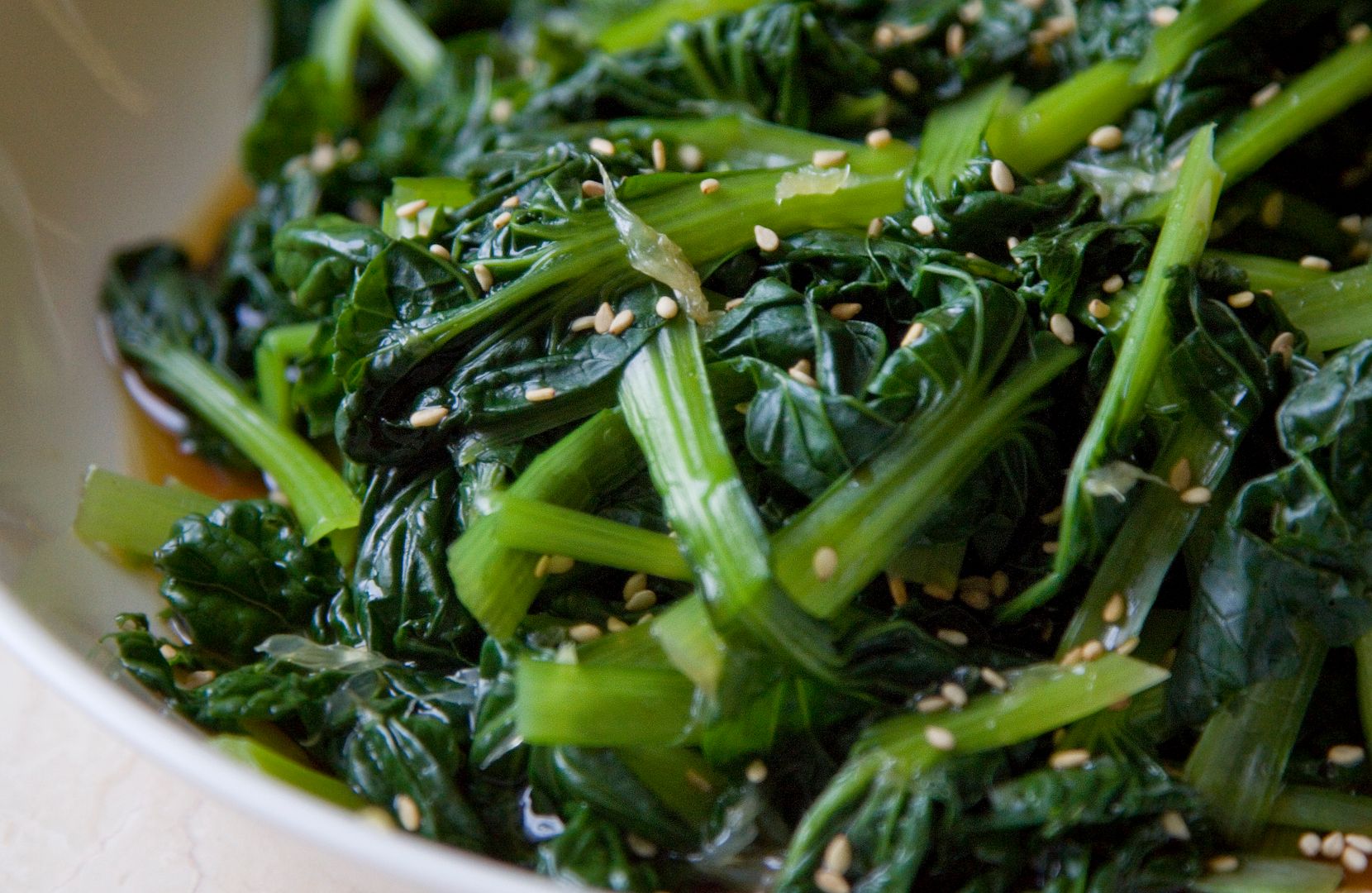
Once cooled down, drain well and transfer the Ta Gu onto a plate. Evenly pour the sauce over and sprinkle some toasted white sesame seeds.
The vegetable looks tough but in fact it's as tender as bak choy. For sure I'll start buying this newly discovered green in the future, as long as I can get a hold of it!