Feb 3, 2014

Fried Rice Level Up – Japanese Omurice Recipe

The biggest difference between regular fried rice and Japanese omurice (オムライ) is how the eggs are used. Common fried rice comes with scrambled eggs mixed together with other ingredients such as rice, scallion, corn, carrot, and more. As for the Japanese omurice, or omelet rice, comes with semi-cooked scrambled eggs on top of the rice and other ingredients. In addition, a more “luscious” omurice even comes with beef stew or béchamel sauce drizzle on top of the eggs.

Let’s not go too far with all the extra fancy sauce drizzle all over the omurice. Just a simple Japanese omurice with perfectly semi-cooked eggs with a hint of butter should do the trick.


Ingredients (3 to 4 portions)?

Fried rice –
  • 2 ½ cups of steamed white rice
  • 6 thick slices of bacon
  • 1 can/15.25 oz of sweet corn
  • 1 small can/8.5 oz of sweet peas
  • 1 medium carrot
  • ½ onion
  • 2 tablespoons of olive oil
  • 1 tablespoon of soy sauce
  • ½ teaspoon of salt
  • ¼ teaspoon of freshly ground black pepper
  • Some ketchup
  • Some Sriracha sauce

Semi-cooked eggs (for each portion of fried rice) –
  • 1 ½ tablespoons of unsalted butter
  • 3 tablespoons of olive oil
  • 3 large eggs
  • Some distilled water
  • Dried seaweed flakes (optional)

How?

Step by step recipe available at my Yummly guest post.


Jan 27, 2014

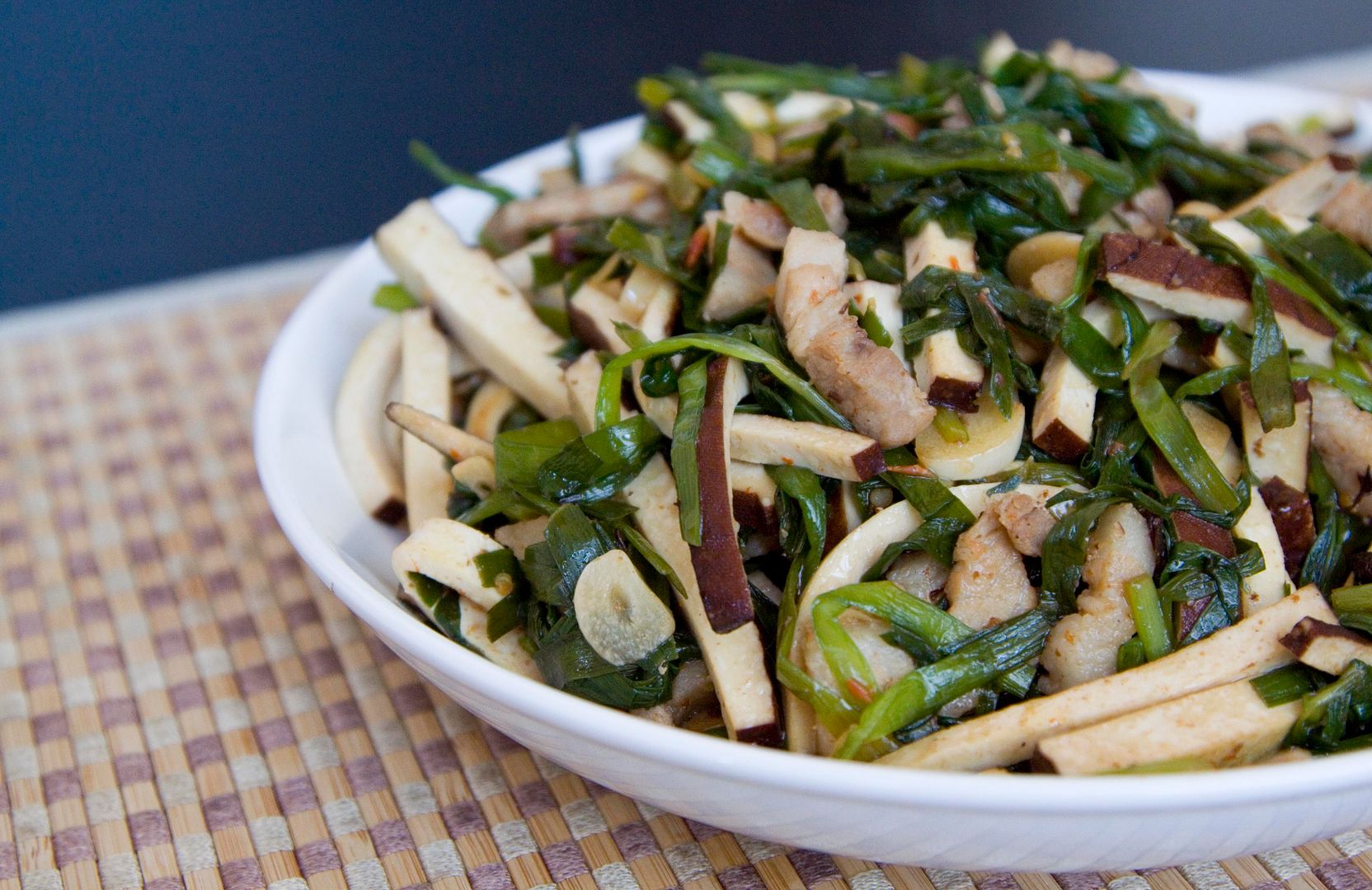
Stir Fry Chinese Chives with Bean Curd and Pork - 韮菜豆干炒豬肉

Early Happy Chinese New Year! 

The Chinese New Year's Eve lands on Thursday, January 30th this time. However, even though it lands on a weekday, I believe that every Chinese people will not bypass even one single excuse chance of feasting with families and friends. 

I'll be off celebrating the upcoming "horse" year with tons of yummy goodies, but before diving into binge eating mode, here's a quick recipe post using Chinese chives, bean curd, and pork. See how responsible I am?!


Ingredients?


  • 1 big bundle of Chinese chives
  • 6 garlic cloves
  • 4 squares of savory bean curd
  • 0.5 lb/about 2 big handful of pork strips (fattier part better)
  • 1 tablespoon of mini red chilies
  • 1 tablespoon of salted black beans 豆豉 (can be substitute with oyster sauce)
  • 2 tablespoons of olive oil

Simple marinade -
  • 1 tablespoon of soy sauce
  • 1 tablespoon of Chinese rice wine 米酒

How?


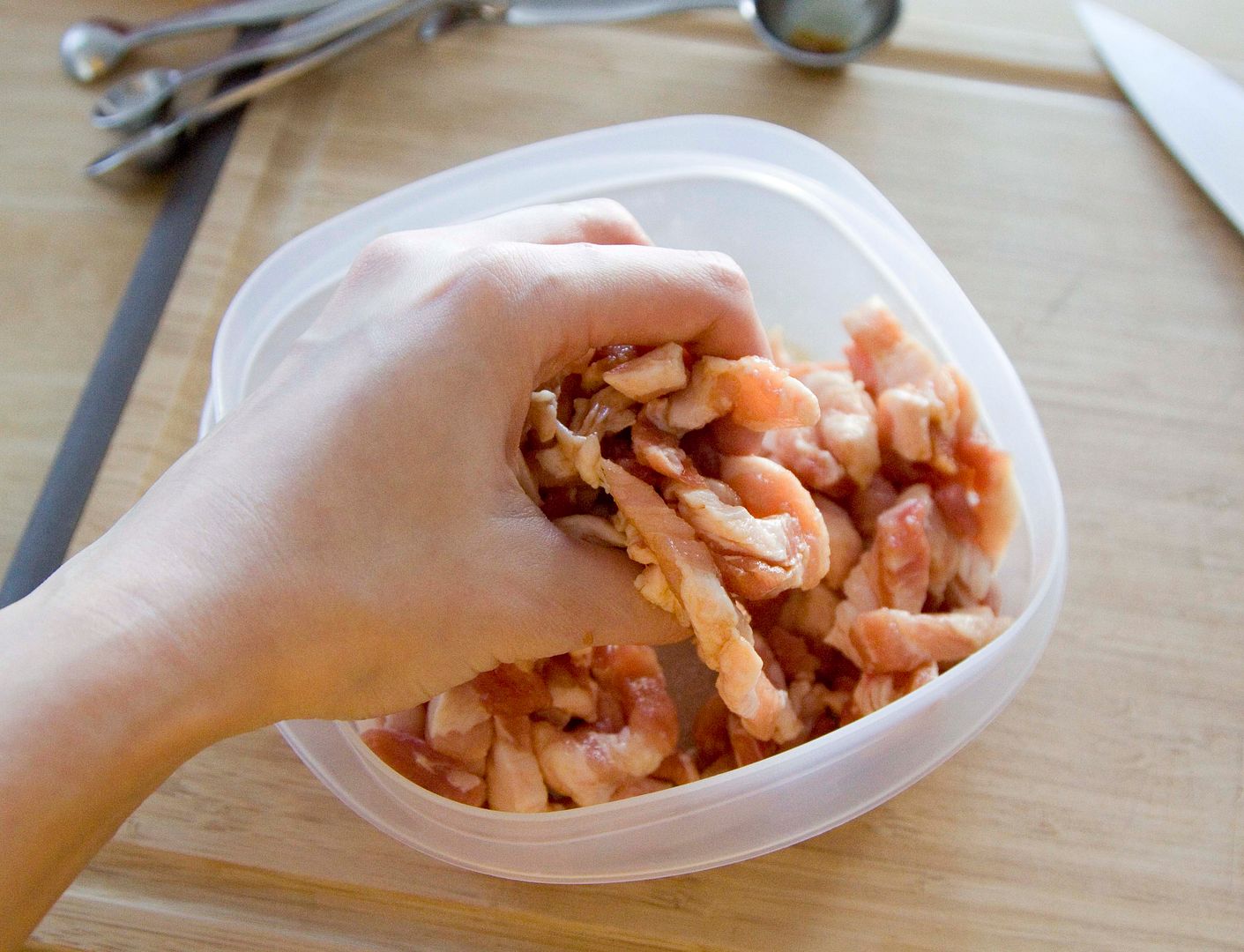
Marinate the pork strips with 1 tablespoon of soy sauce and 1 tablespoon of Chinese rice wine for at least 15 minutes. Give the pork a nice massage with the marinade to help the flavors soak into the meat. 


Bring a small pot of water to a boil and add in the bean curd squares. This step is like "washing" the bean curd and helps in removing any excess oil and flavorings. Just emerge in hot water for about a minute and there is no need to bring the water back to boil again. Remove the squares from water and pat dry. 


Chop the bean curd into strips.

Discard the chives stems and chop the remaining, about 2 inches in length. Peel and slice the garlic cloves. Discard the chili stems and finely chop the chilies. 


If you can't find these fiery hot mini chilies, just use 3 to 4 regular sized chilies as substitute. 

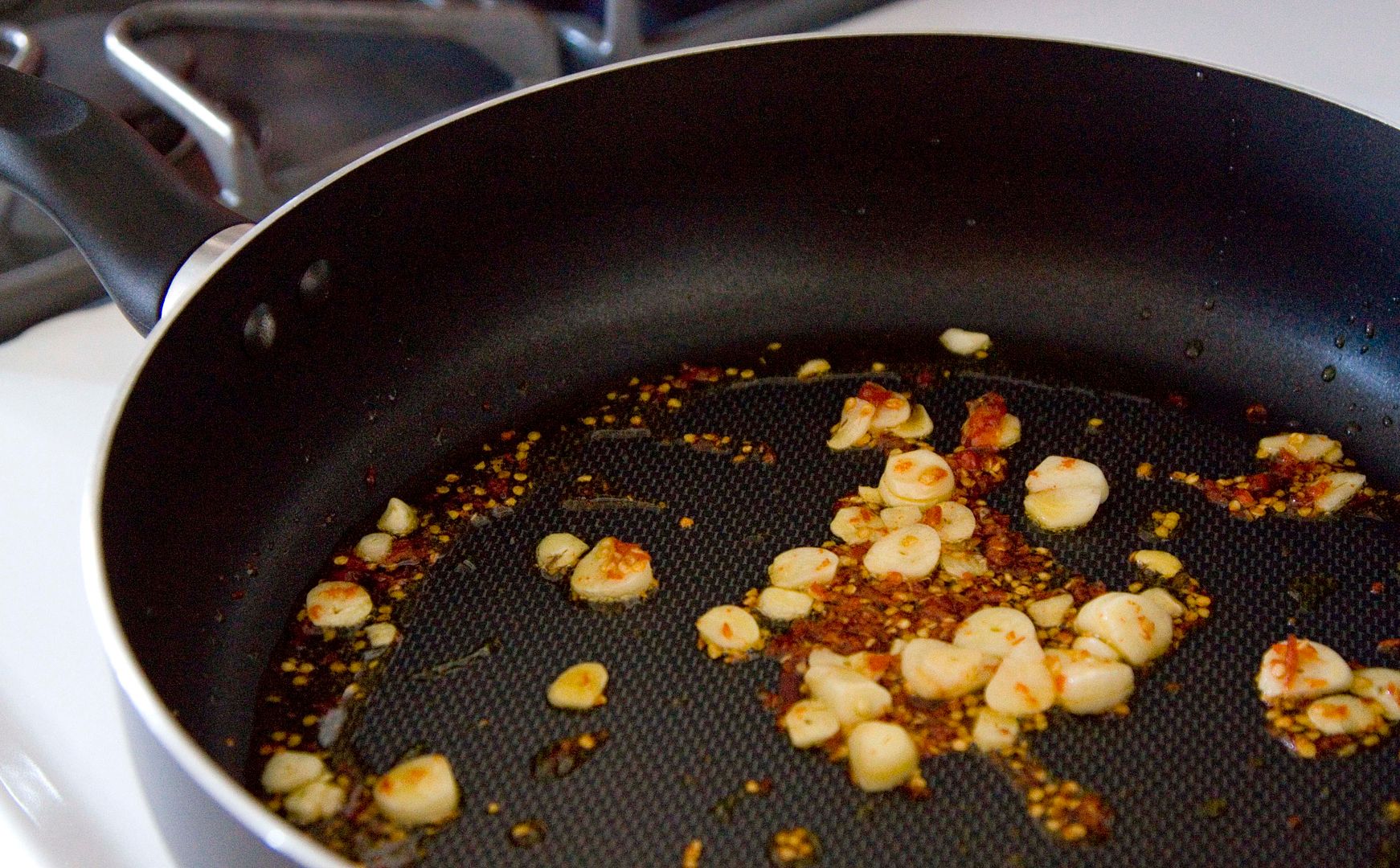
Drizzle enough olive oil to evenly coat the bottom of the pan. Add in garlic slices and chilies. Sear with medium heat till the garlic turns slightly browned but not burnt. 


Turn to medium high heat. Add in the pork strips along with the remaining marinade. Cook till about 80% doneness. 


Add in the bean curd strips and cook for another minute or two. Add in the chives and give it a quick stir. Lastly, add the salted black beans to round-up the flavors. Cook for 2 more minutes and dish is ready to serve. 


Salted black beans can be a rare find items in the United States, especially a all natural, good quality one. In that case, you can omit the salted black beans and use 1 tablespoon of oyster sauce instead.